
Researchers evaluating BPC-157 peptide face a choice that goes beyond dosage or sourcing. It comes down to delivery format. Most existing content treats BPC-157 as a single, generic research compound,…

A 95% purity rating isn’t the gold standard for high-stakes genomic research. It’s the bare minimum. Researchers often face the variable quality of…

Why does up to 99% of an oral peptide dose fail to reach its target? While the oral protein market is projected to reach $47.63 billion by 2035, the…
Nearly 90% of U.S. adults now meet the criteria for stage one or higher of Cardiovascular Kidney Metabolic (CKM) syndrome. This unprecedented surge…

The integrity of a longitudinal study often collapses not at the hypothesis stage, but at the point of procurement. For laboratory managers, the…
The reliance on biological matrices like Matrigel is the primary bottleneck in 3D cell modeling. These “black box” scaffolds introduce significant…
In the high-stakes environment of immunology research, the peptide is the probe. Its utility depends entirely on analytical-grade purity and verified…
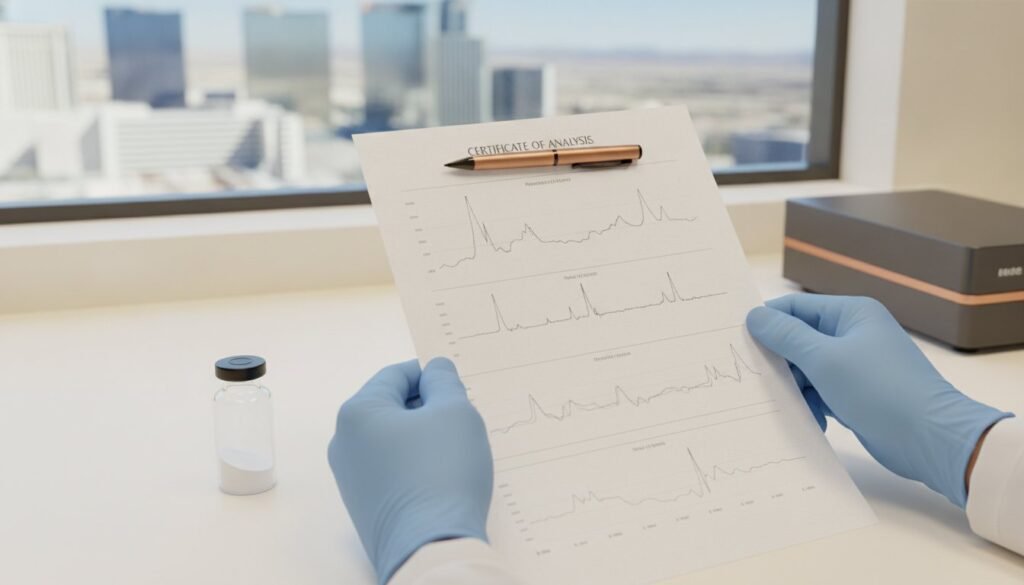
A 99% purity claim is a marketing statistic, not a scientific guarantee. In a landscape where the FDA is reclassifying peptides over 40 amino acids…
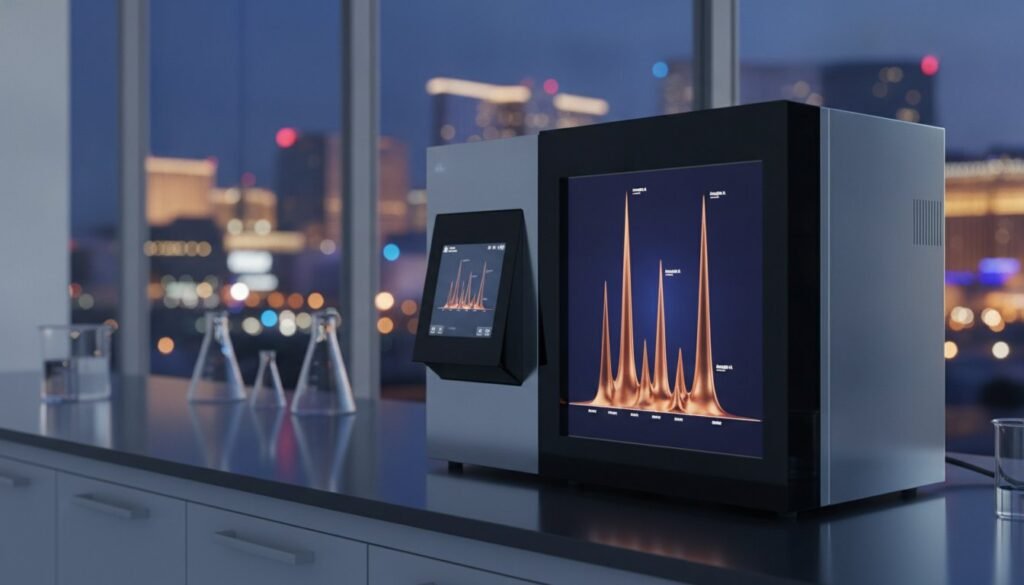
A single peak on a chromatogram is not a guarantee of success. It’s a starting point for rigorous verification. In high-stakes research, the…
A standard phosphate-buffered saline (PBS) solution can be the silent catalyst for your peptide’s chemical degradation. While researchers often…