Peptide Aggregation Troubleshooting: Analytical Protocols for Research Laboratories
A single insoluble pellet often represents thousands of dollars in lost research material and months of stalled progress. Peptide aggregation isn’t a…

A single insoluble pellet often represents thousands of dollars in lost research material and months of stalled progress. Peptide aggregation isn’t a…
Irreproducible preclinical research costs the United States approximately $28 billion every year. This staggering loss often originates at the bench…
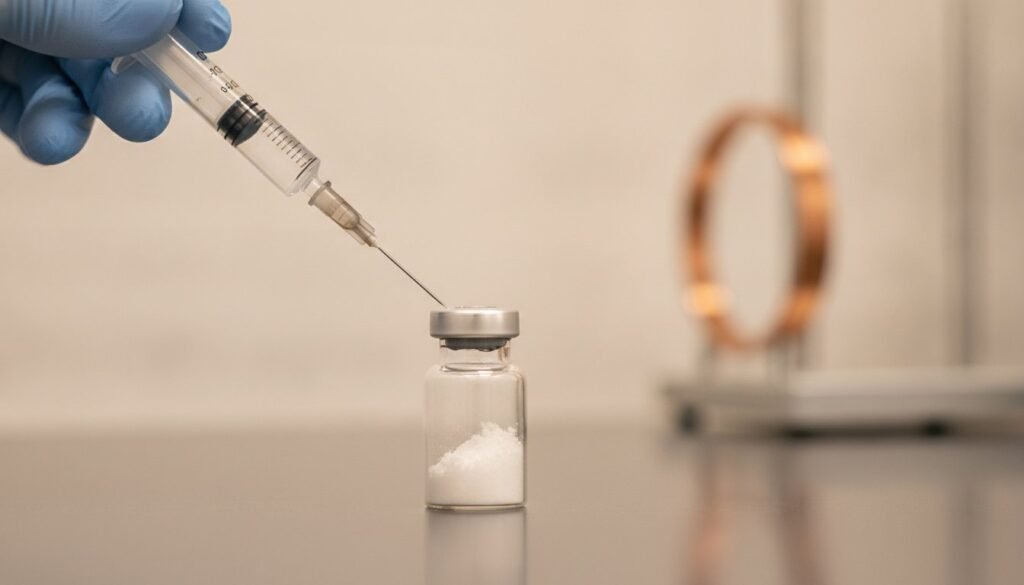
Reconstitution isn’t a mere preliminary step. It’s the final stage of chemical preparation. Precision here dictates the integrity of your data. For…
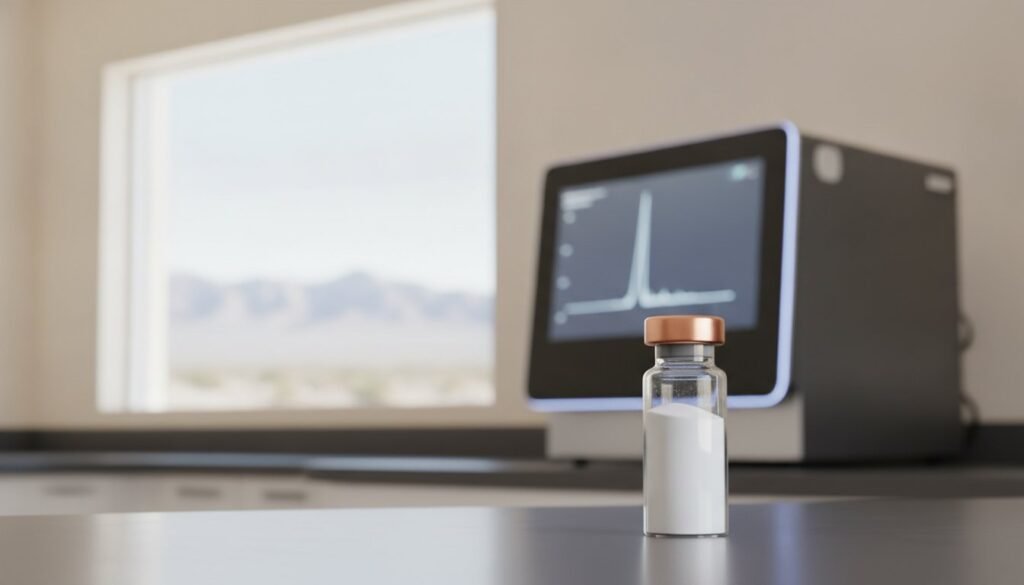
A 99% purity rating on a certificate of analysis is often a mask for analytical insufficiency. In metabolic research, one unidentified peak on a…
Traditional lyophilized powders introduce a margin of error that modern longitudinal studies can no longer afford. Researchers often face significant…
Independent analysis has identified mislabeling, improper dosing, or contamination in approximately 30% of peptide samples sourced from the grey…

Can you trust your field data when Mojave surface temperatures exceed 60°C? Inconsistent results often stem from sample degradation rather than…
The standard lyophilized powder format often fails to meet the rigorous stability requirements of the Nevada climate. Maintaining the analytical…
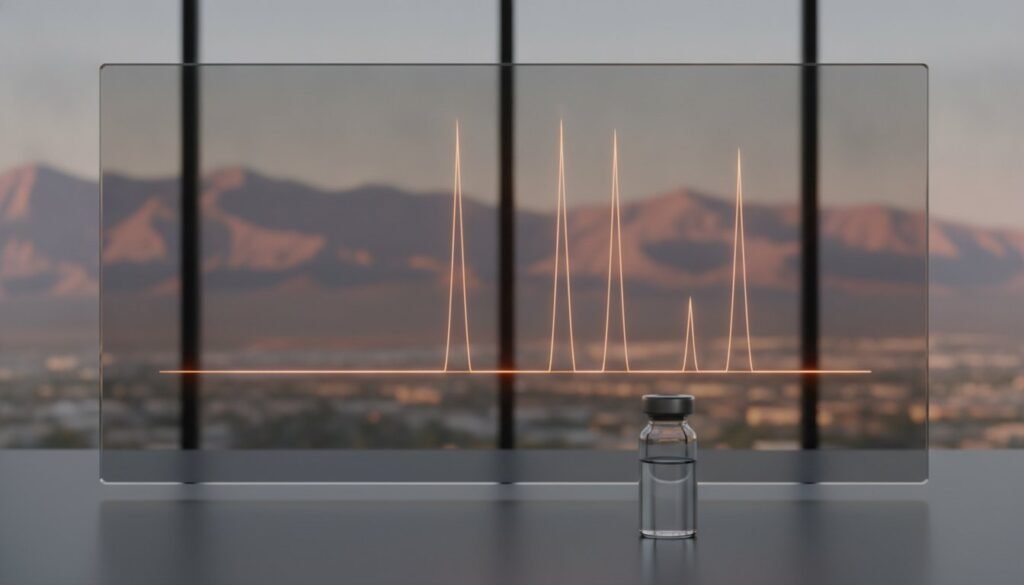
Up to 25% of peptide products fail quality benchmarks due to unresolved impurity profiles. You’ve likely encountered the frustration of drifting…
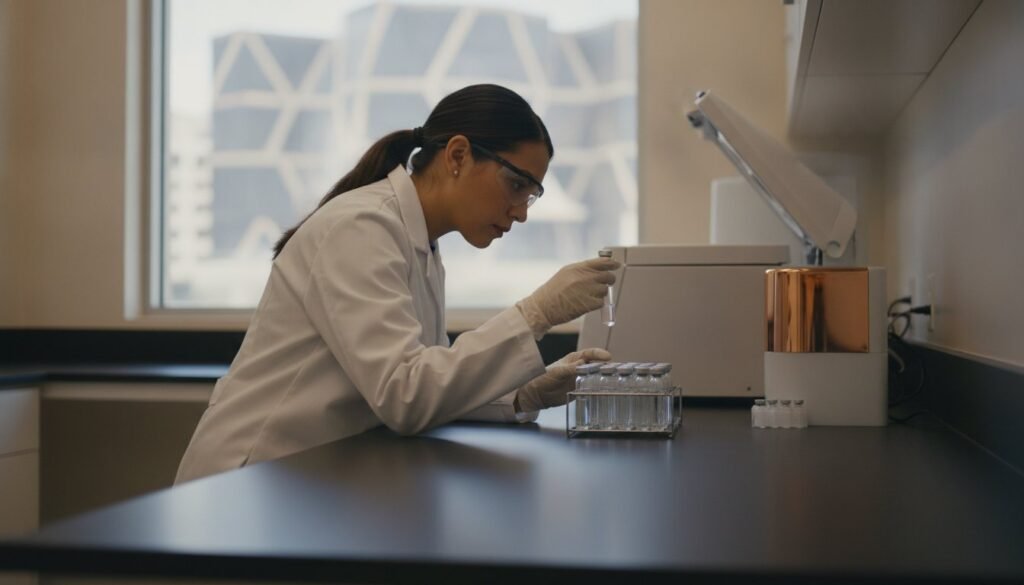
While the ZenoTOF 8600 system achieves a lower limit of quantitation as low as 2.5 attomoles on-column, the most sophisticated instrumentation cannot…