Reconstitución de péptidos GLP-1 para uso en laboratorio: Un protocolo analítico preciso (2026)
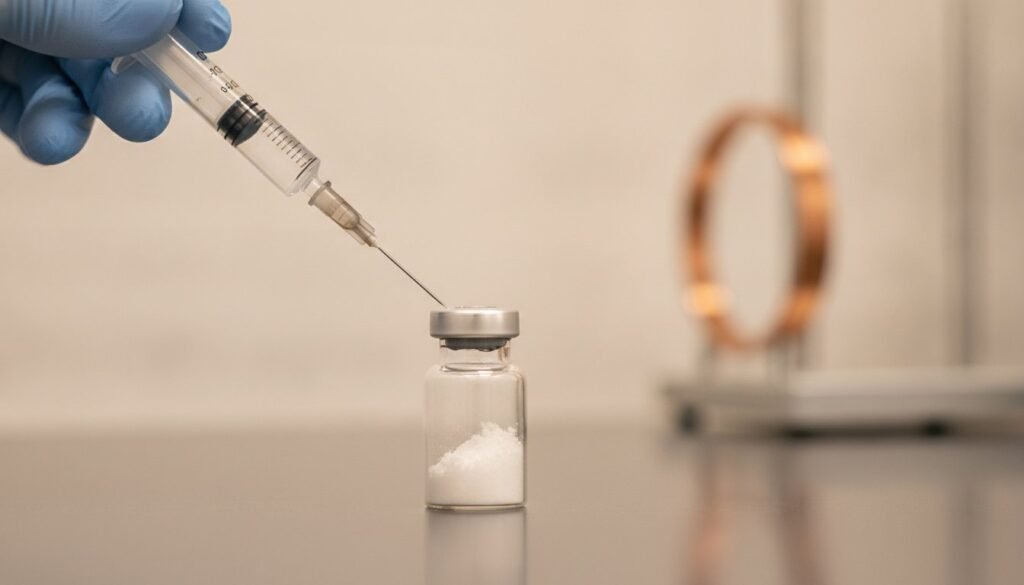
La reconstitución no es un mero paso preliminar. Es la etapa final de la preparación química. La precisión aquí dicta la integridad de sus datos. Para…

La reconstitución no es un mero paso preliminar. Es la etapa final de la preparación química. La precisión aquí dicta la integridad de sus datos. Para…
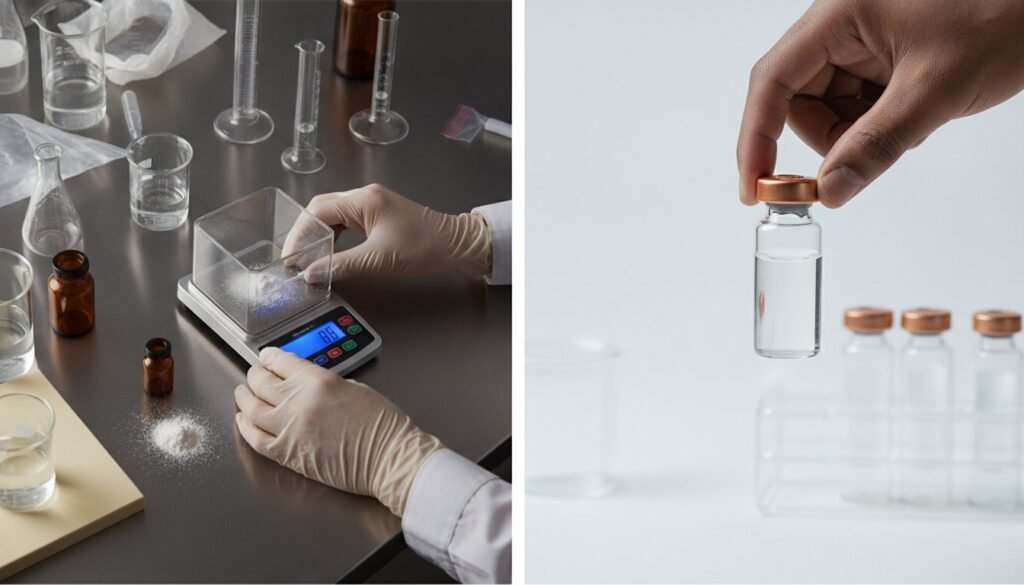
Un solo miligramo de error durante la reconstitución manual puede invalidar meses de datos longitudinales. Es un riesgo que muchos laboratorios corren en la…
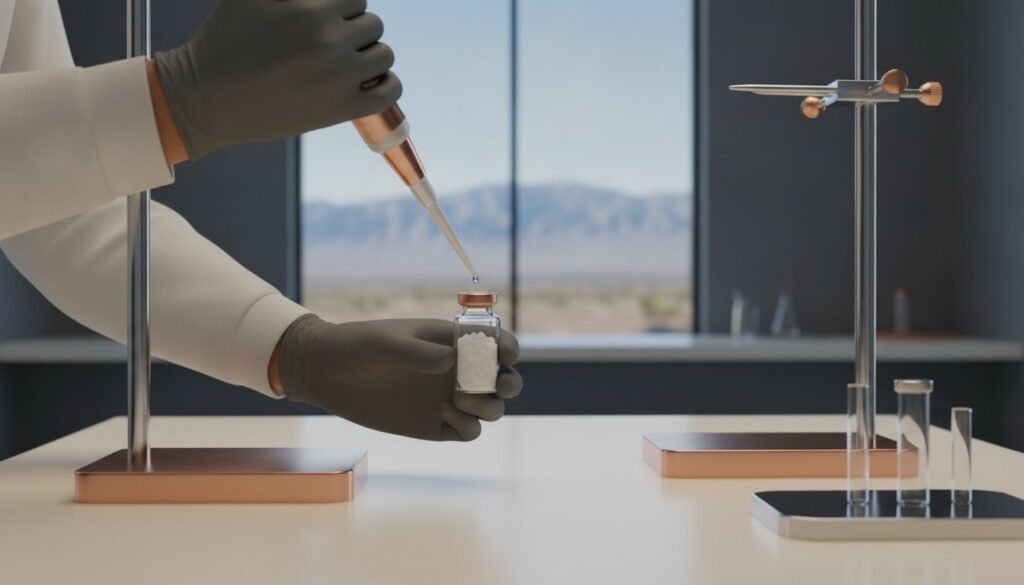
Un solo error matemático durante la reconstitución puede hacer que una muestra de péptido de $14.00 por miligramo sea analíticamente inútil. En un mercado donde…
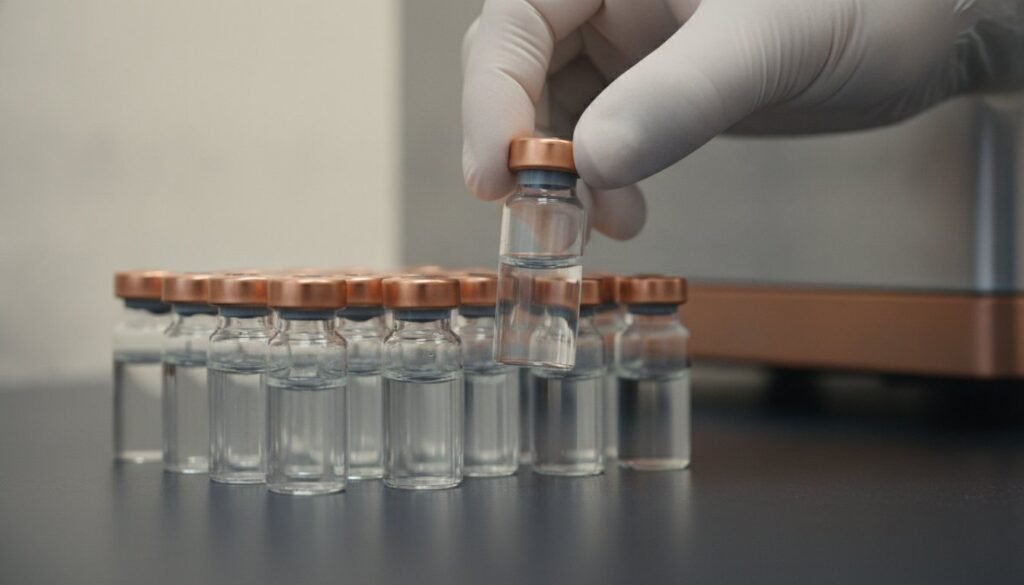
Su péptido de alta pureza es tan estable como la superficie que toca. Incluso las cadenas sintéticas más refinadas son vulnerables a lo físico…
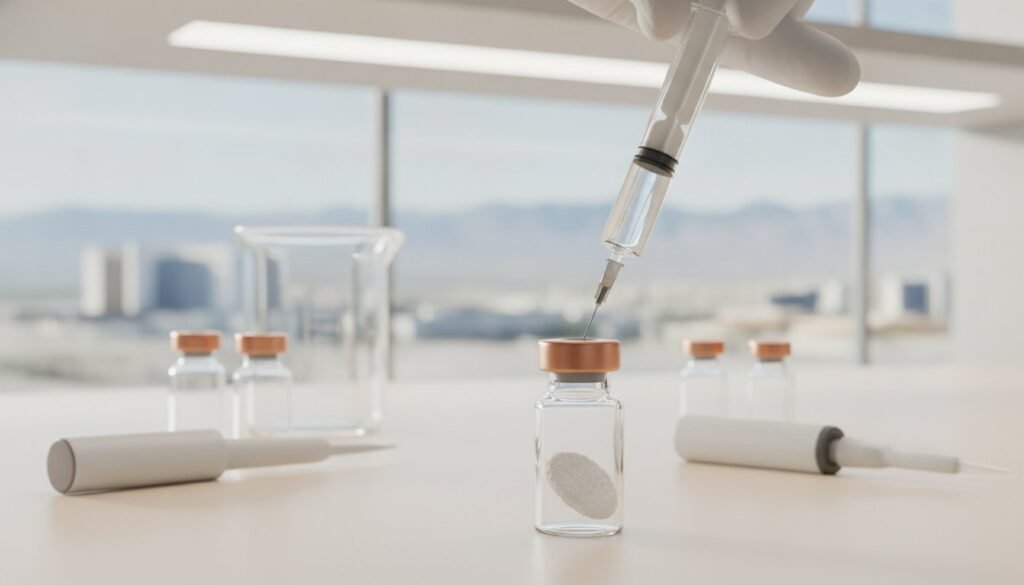
La suposición de que cualquier líquido estéril sirve como medio adecuado para reactivos liofilizados es una causa frecuente de fracaso experimental. Un péptido…
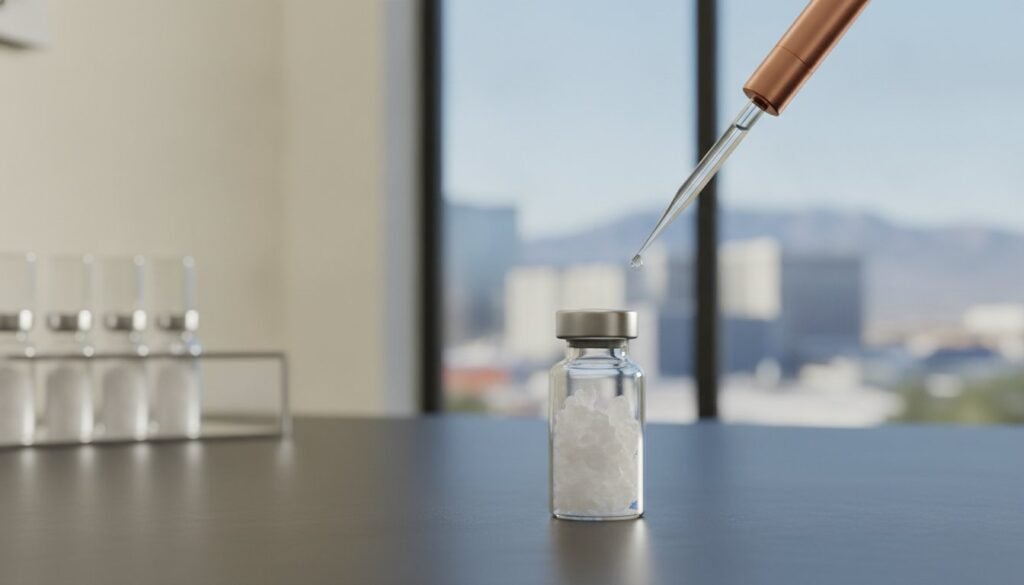
Un vial liofilizado de 5 mg rara vez contiene 5 mg de péptido activo. Confiar en el peso bruto para la reconstitución es un error fundamental que compromete…

Análisis independientes revelan que aproximadamente el 30% de las muestras de péptidos de fuentes del mercado gris están mal etiquetadas, dosificadas incorrectamente o contaminadas….
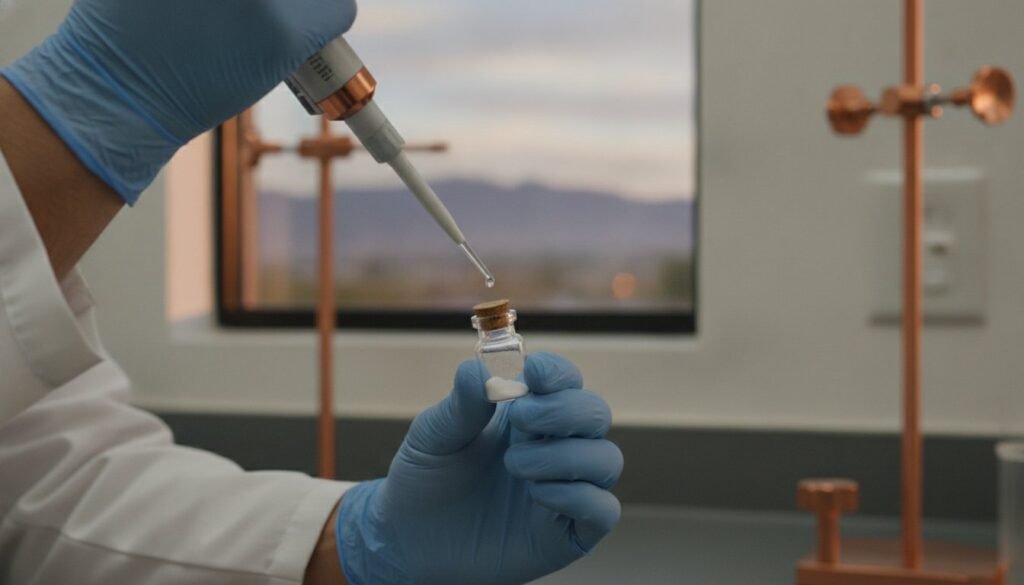
La varianza experimental rara vez es un fallo de la hipótesis. Más a menudo es un fallo del protocolo de reconstitución. Agregados insolubles,…
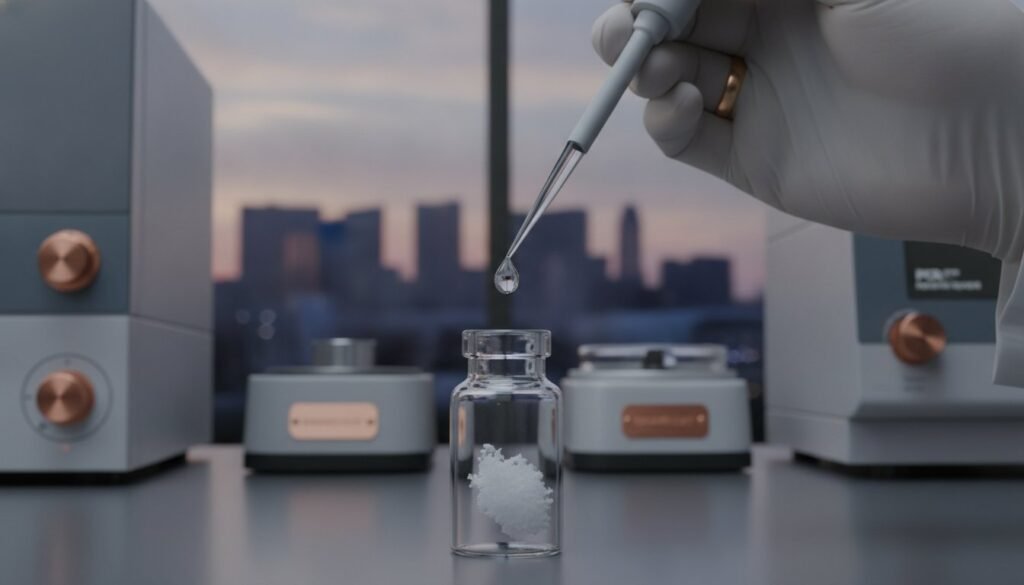
Un solo error de pipeteo o una ligera fluctuación de temperatura durante el almacenamiento pueden invalidar meses de riguroso trabajo de laboratorio. La precisión en el laboratorio es…
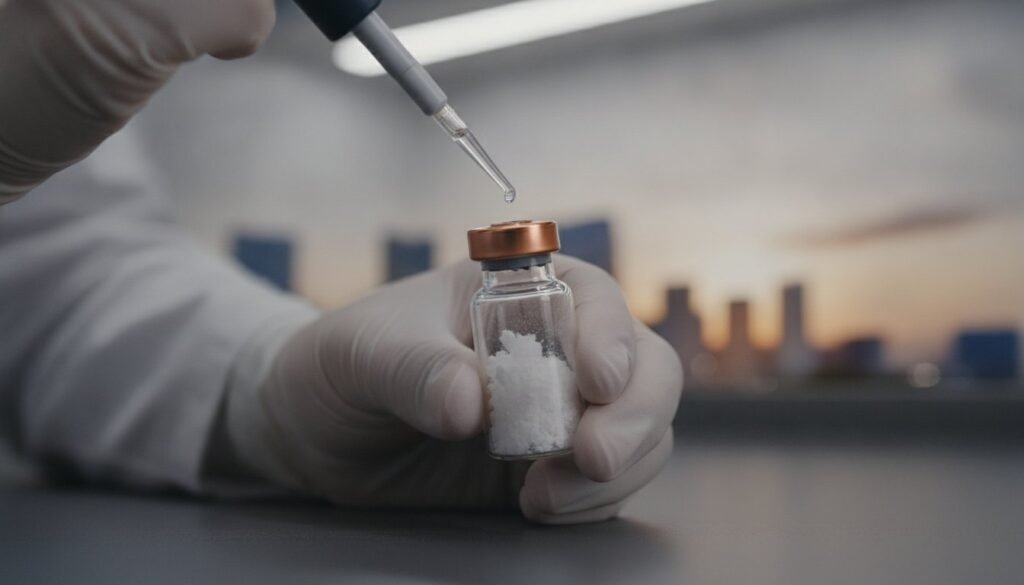
Un solo error en el cálculo del disolvente o en la agitación mecánica puede dejar una secuencia liofilizada entera biológicamente inerte. Usted reconoce que la…