Peptide Aggregation Troubleshooting: Analytical Protocols for Research Laboratories
A single insoluble pellet often represents thousands of dollars in lost research material and months of stalled progress. Peptide aggregation isn’t a…

A single insoluble pellet often represents thousands of dollars in lost research material and months of stalled progress. Peptide aggregation isn’t a…
Irreproducible preclinical research costs the United States approximately $28 billion every year. This staggering loss often originates at the bench…

A perfect protocol cannot compensate for sub-standard reagents or unverified purity. As the global peptide mapping market reaches 834.5 million…

As of late 2026, the identification of over 18,000 manipulated validation images across 15 major vendors has fundamentally compromised the baseline…
Close to 30% of peptide vials analyzed by independent labs in 2026 were found to be mislabeled, contaminated, or incorrectly quantified. You…

A 98% purity rating on your Certificate of Analysis does not mean your vial contains 98% peptide. This is the quantitative reality that many…

Residual trifluoroacetic acid in lyophilized peptides can represent up to 45% of the total product mass. This hidden variable often remains…
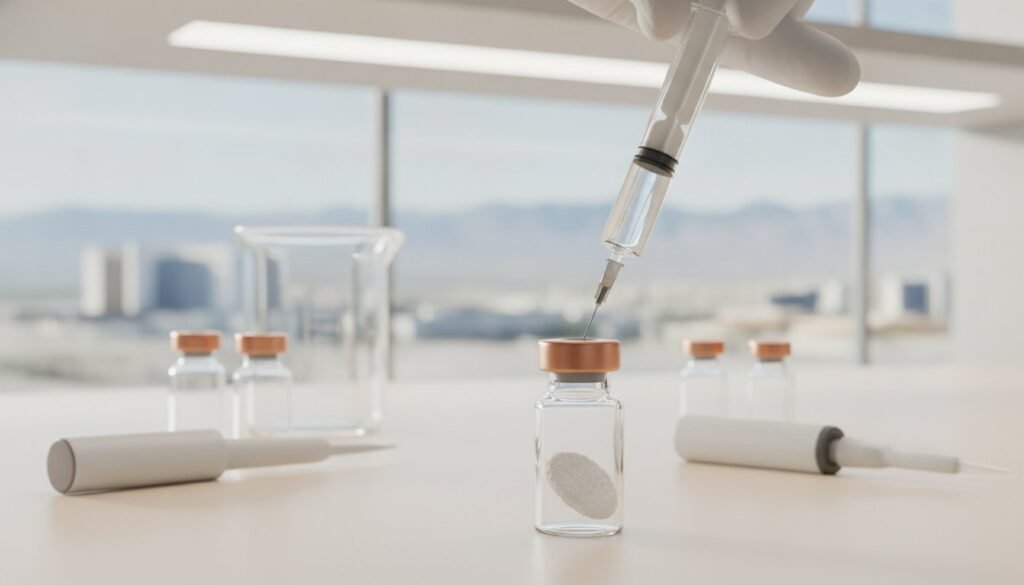
The assumption that any sterile liquid serves as a suitable medium for lyophilized reagents is a frequent cause of experimental failure. A peptide’s…
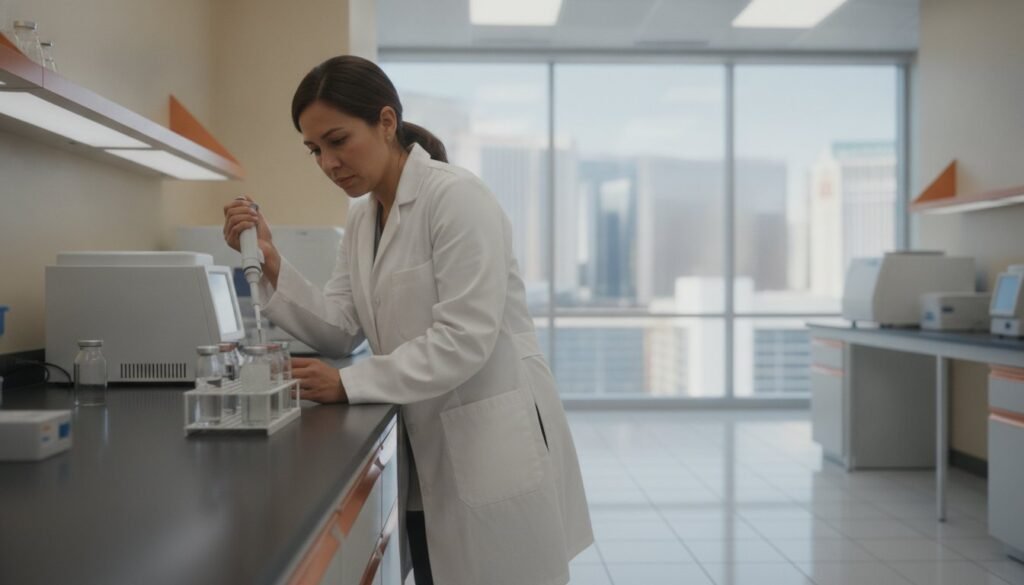
What if the variance in your replicates isn’t a failure of the peptide sequence, but a failure of your buffer’s ionic strength? High coefficients of…
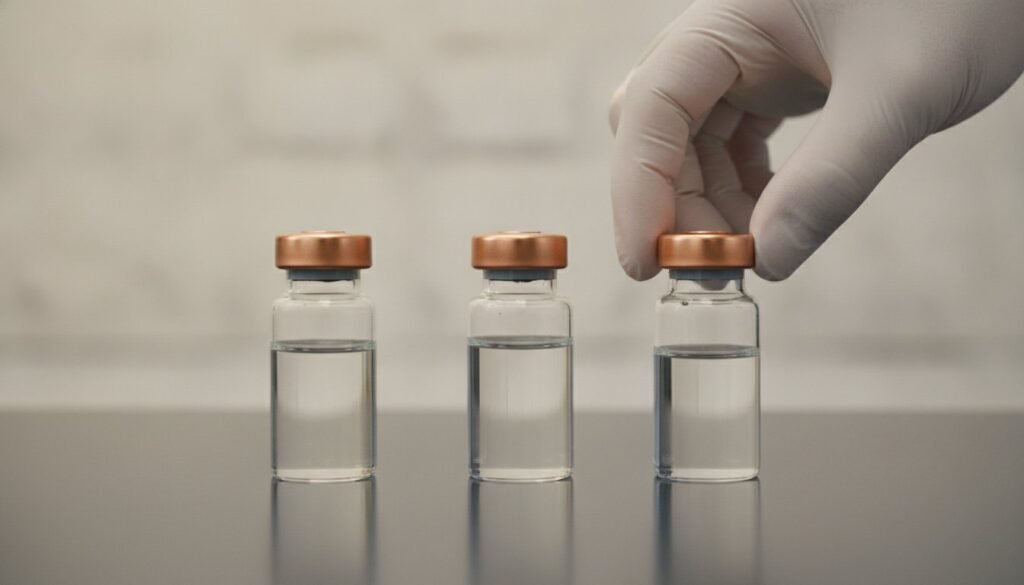
A standard phosphate-buffered saline (PBS) solution can be the silent catalyst for your peptide’s chemical degradation. While researchers often…