Peptide Sourcing for Underfunded Nevada Labs: A Guide
The most expensive research reagent is the one that fails during a critical assay. For Nevada researchers, this risk is compounded by extreme heat…

The most expensive research reagent is the one that fails during a critical assay. For Nevada researchers, this risk is compounded by extreme heat…

By late 2026, the $44 million Nevada Health & Bioscience Corp. facility will anchor the Las Vegas Medical District, signaling a permanent shift…

Close to 30% of analyzed peptide vials in 2026 were found to be mislabeled, contaminated, or incorrectly quantified during independent testing. For a…

A five-star review is the weakest form of evidence in a high-stakes research environment. While anecdotal testimonials might suffice for consumer…
Independent analysis has identified mislabeling, improper dosing, or contamination in approximately 30% of peptide samples sourced from the grey…

What if the primary threat to your project’s timeline isn’t the hypothesis but the procurement process itself? In the Clark County research…
A high impact score is no longer a shield against rejection if your methodology lacks verifiable reagent authentication. You likely recognize the…
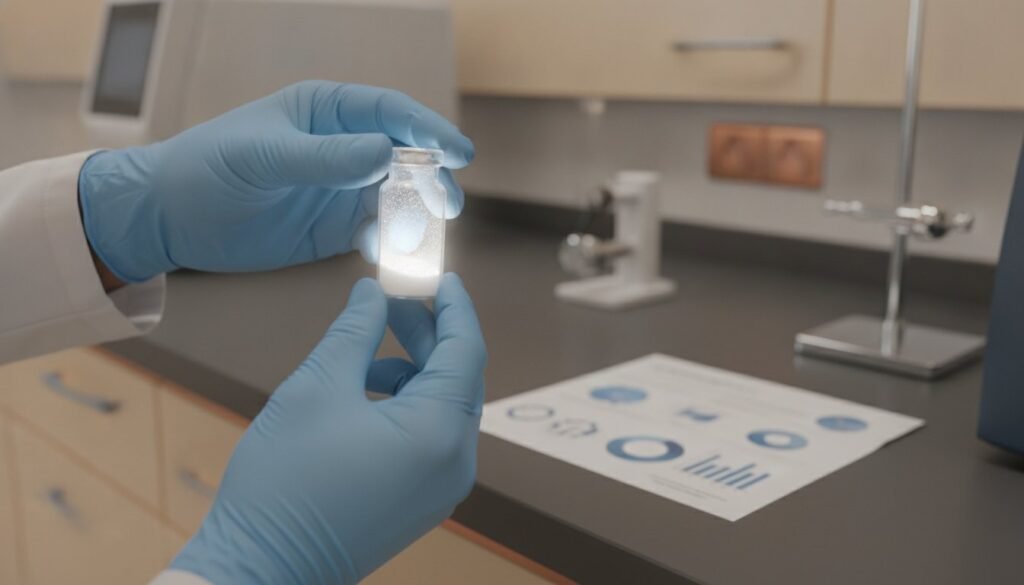
A Certificate of Analysis is not a guarantee of purity. It is merely a claim until verified by independent, third-party instrumentation. You…
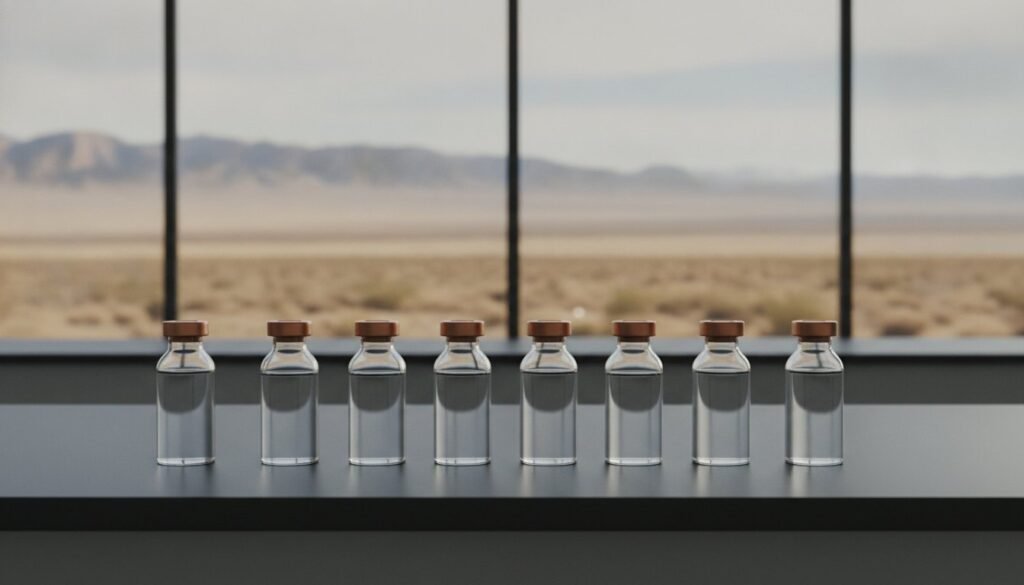
Thermal instability is the silent failure point of Nevada research. In the Mojave Desert, a single hour of transit exposure can compromise months of…

Research suggests that reproducibility rates in pre-clinical sciences can fall as low as 10% to 25%. You’ve likely faced the frustration of…