Research Peptide Stability Testing Methods: A Protocol for Analytical Integrity

A single compromised sequence can invalidate months of laboratory work. When experimental reproducibility fails, the culprit is often hidden at the…

A single compromised sequence can invalidate months of laboratory work. When experimental reproducibility fails, the culprit is often hidden at the…

A single milligram of misplaced lyophilized powder can compromise an entire month of analytical data and jeopardize respiratory safety. In a…

Relying on a single vendor for research materials in 2026 is no longer a logistical oversight; it’s a direct threat to the reproducibility of your…

Why does up to 99% of an oral peptide dose fail to reach its target? While the oral protein market is projected to reach $47.63 billion by 2035, the…
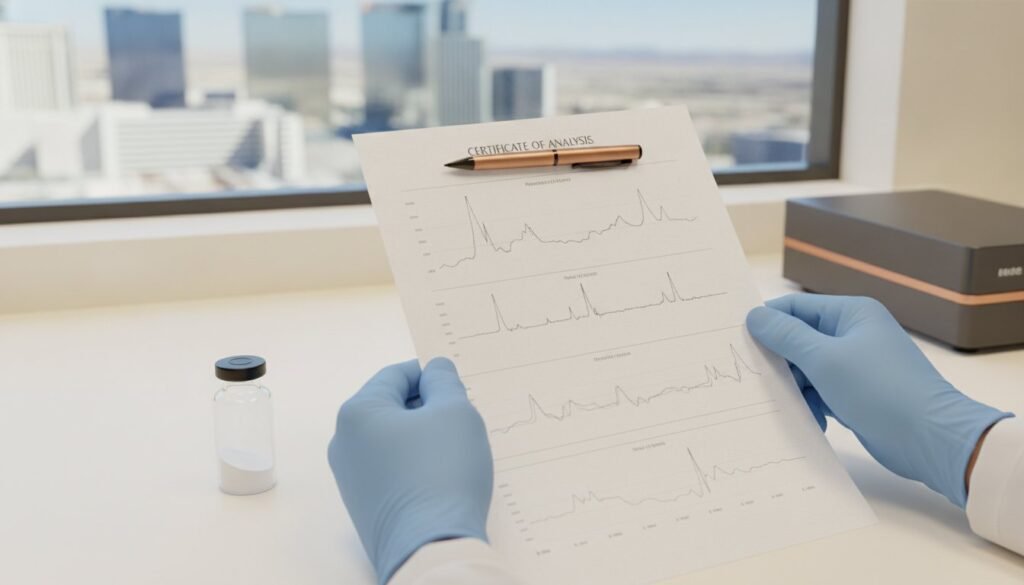
A 99% purity claim is a marketing statistic, not a scientific guarantee. In a landscape where the FDA is reclassifying peptides over 40 amino acids…
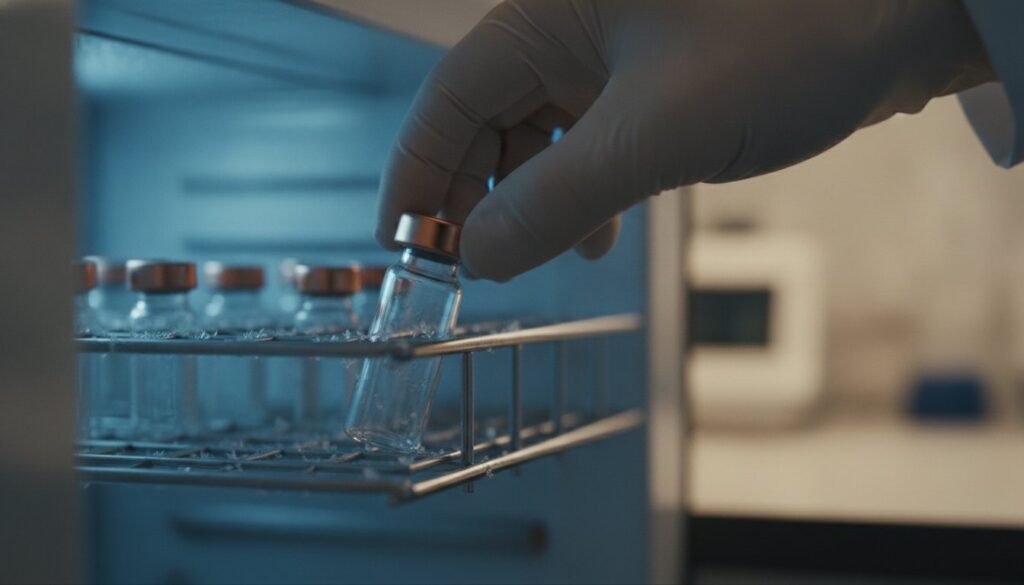
A single freeze-thaw cycle can reduce a reconstituted peptide’s potency by as much as 50 percent. This degradation occurs at the molecular level,…
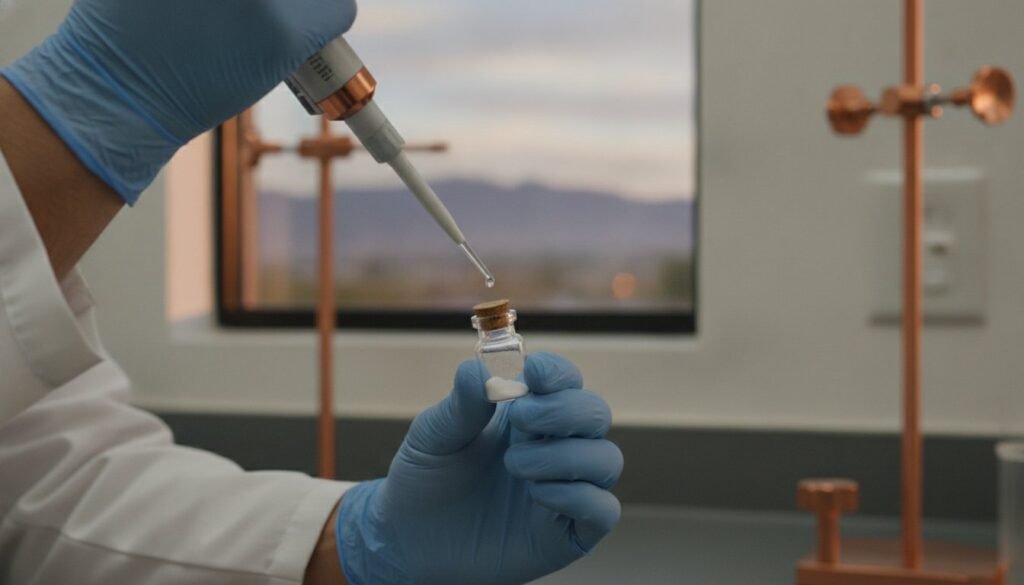
Experimental variance is rarely a failure of the hypothesis. It’s more often a failure of the reconstitution protocol. Insoluble aggregates,…
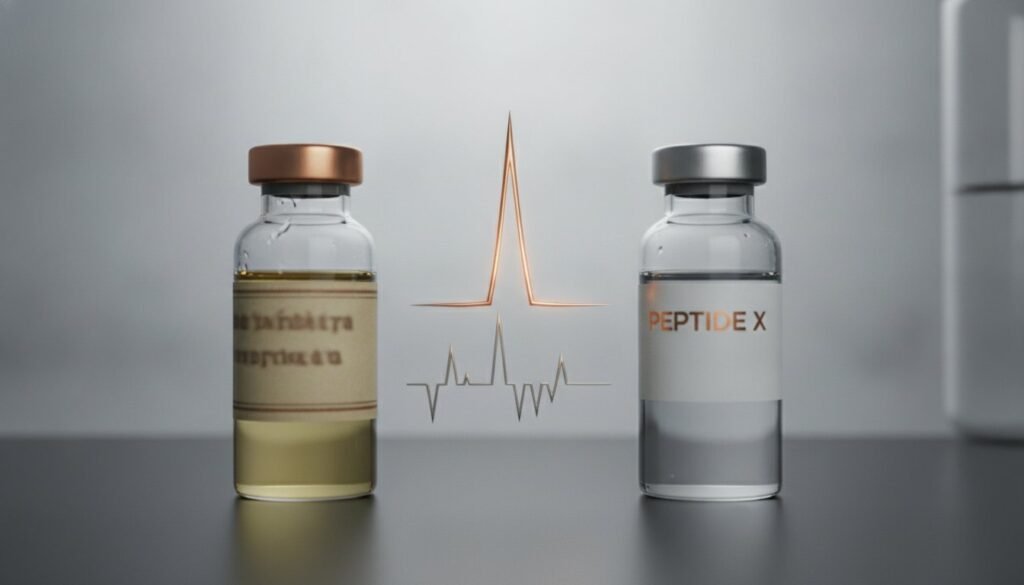
Your current peptide supplier isn’t just a procurement choice. It’s a critical variable that can invalidate years of research. With the industry…

In March 2026, the Nevada Pharmacy Board issued fines up to $10,000 against suppliers following a high-profile contamination incident at a local…
A 0.5% shift in peptide-related impurities is the difference between a controlled variable and a failed experiment. You rely on reagent integrity as…