Interpreting Peptide COA: A Technical Guide to Analytical Verification

A 99% purity claim on a product label is statistically meaningless without the raw analytical data to validate it. You recognize that in sensitive…

A 99% purity claim on a product label is statistically meaningless without the raw analytical data to validate it. You recognize that in sensitive…
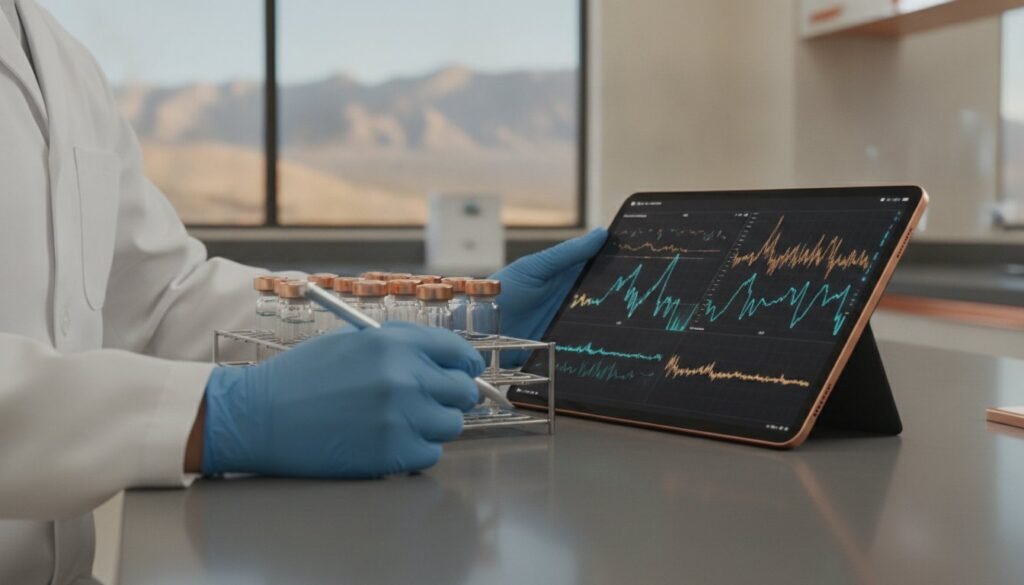
A single undocumented reconstitution variable can invalidate months of laboratory labor. You’ve likely experienced the frustration of a manuscript…
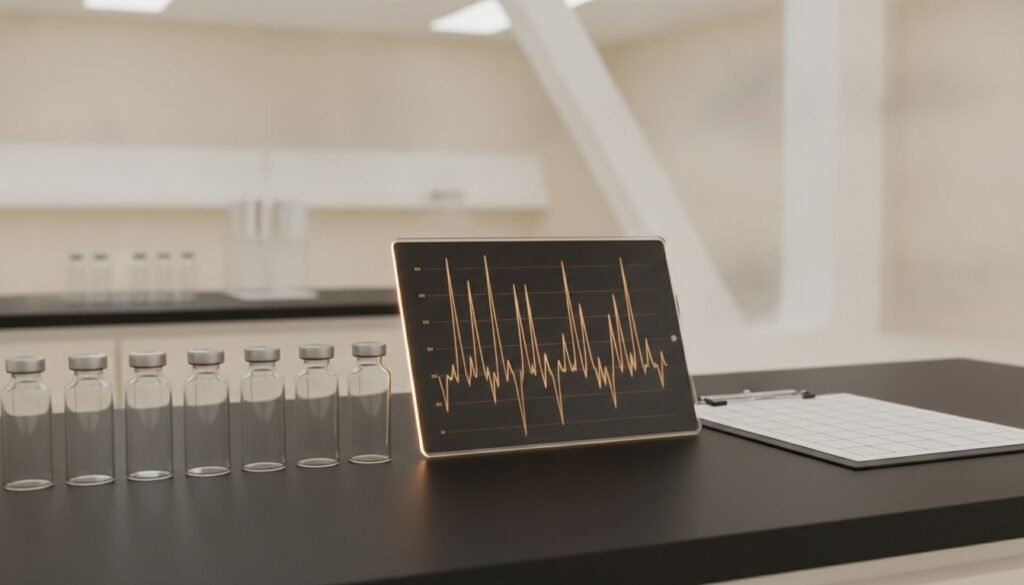
Data integrity isn’t an administrative hurdle. It’s an analytical property of the reagent that researchers must verify at every stage of the…
Recent 2026 TGA analysis of seized peptide samples revealed that vials labeled as 30mg actually contained anywhere from 22mg to 54mg of active…

The assumption that lyophilized storage guarantees long-term purity is a liability in 2026. You understand the frustration of seeing a high-purity…

Adsorptive losses for specific peptides can exceed 40% within 24 hours when using standard borosilicate glass. For researchers handling high-value…

The capacity of GHK-Cu to modulate over 4,000 human genes establishes it as a cornerstone of regenerative biochemical study. Most researchers…
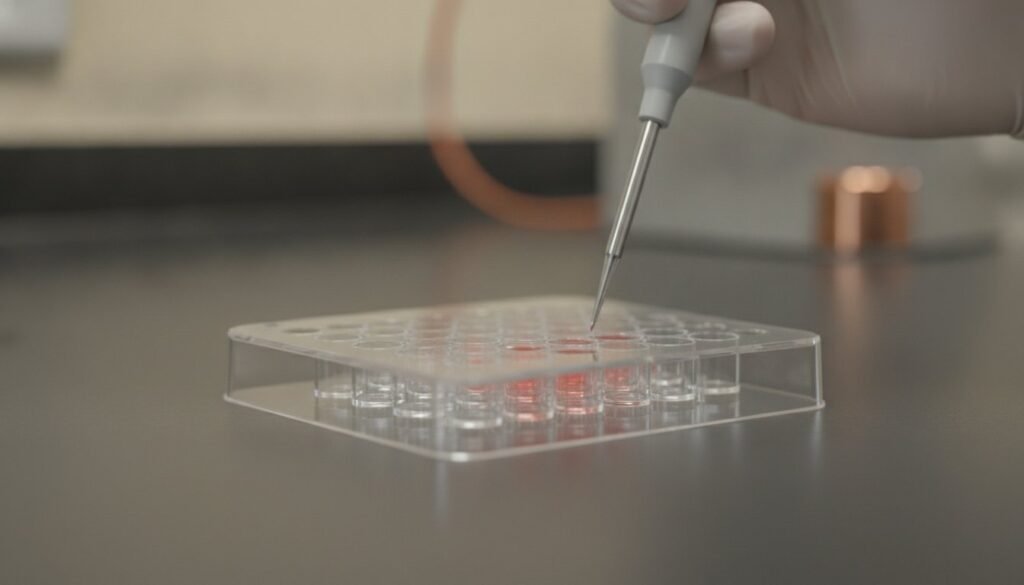
Why does a peptide with 99.5% HPLC purity fail to produce a signal in a validated binding study? It’s a critical failure that triggers project delays…
Irreproducible preclinical research costs the United States approximately $28 billion every year. This staggering loss often originates at the bench…
Achieving a 99% purity benchmark for synthetic peptides requires more than just standard synthesis. It demands a rigorous, multi-stage analytical…