Peptide Reagents for Labs: A 2026 Procurement Guide for Analytical Precision
In 2026, the minimum purity standard for research-grade peptides has officially shifted to 99%. This benchmark reflects a critical need for…

In 2026, the minimum purity standard for research-grade peptides has officially shifted to 99%. This benchmark reflects a critical need for…
Between January and March 2026, the FDA issued 41 warning letters regarding research peptides; this is nearly triple the total from the entire 2024…
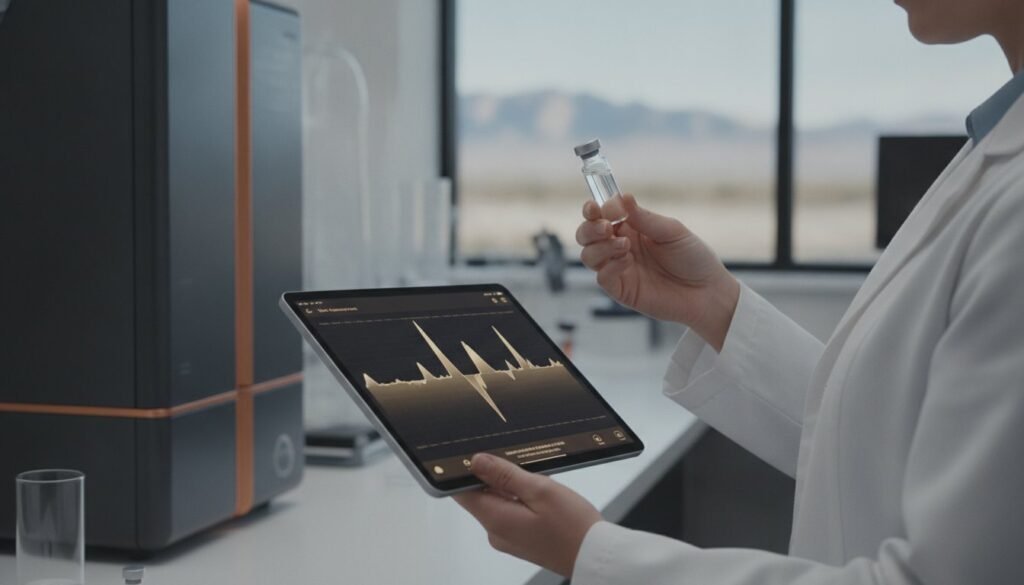
A static Certificate of Analysis is no longer the gold standard for high-stakes laboratory procurement. With the global peptide market projected to…

In 2026, a 98% purity rating is no longer an industry benchmark. It is a failure of quality control that can compromise the integrity of a…
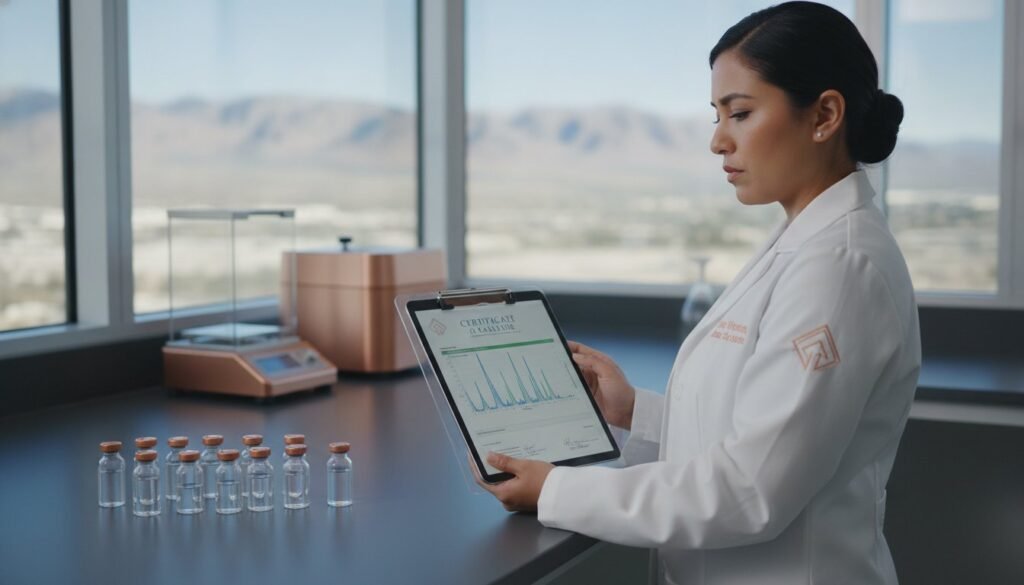
A Certificate of Analysis is no longer a guarantee of quality. It’s frequently a digital mask for laboratory negligence or recycled batch data. You…
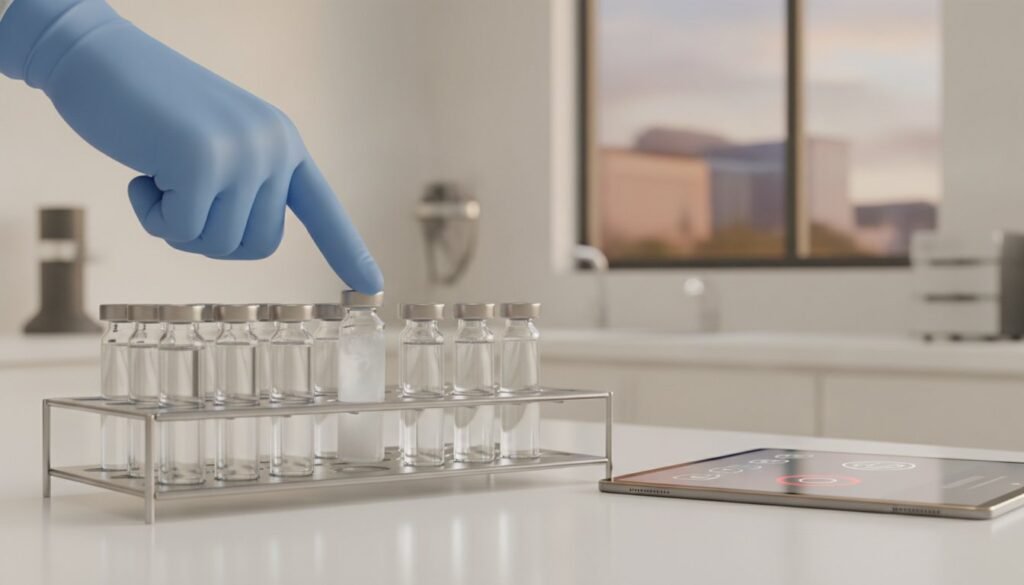
Independent testing of research peptides has shown purity levels plummeting as low as 1.7% in unverified batches. This isn’t just a minor variance….
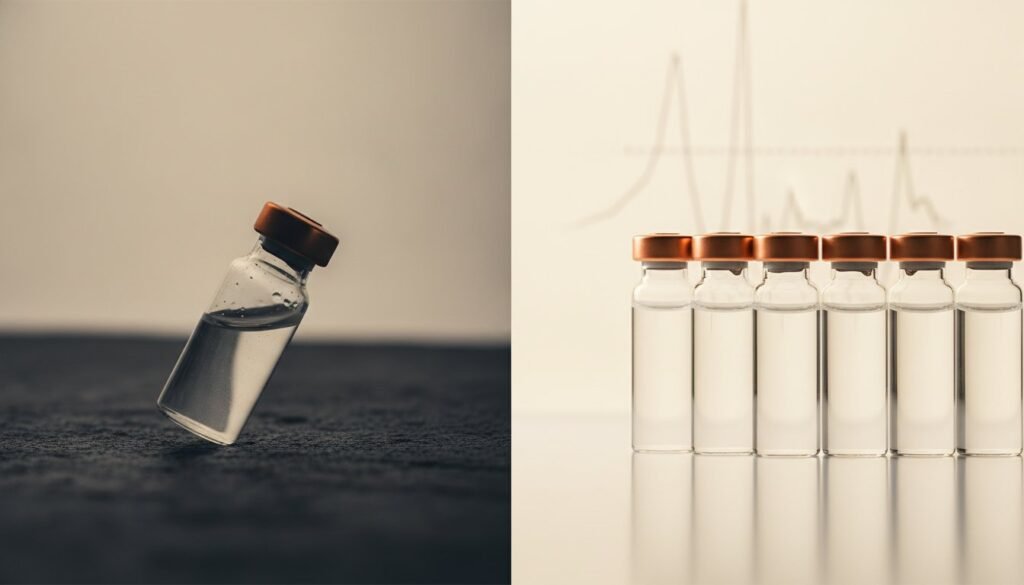
A peptide testing laboratory in Texas reported in April 2026 that approximately one-third of the thousands of products it evaluates fail basic…

Authenticity in the research reagent market is not a visual attribute. It’s a documented analytical state verified through cross-referenced data. If…

65% of FDA complete response letters for peptide-based drugs cite stability-related concerns as a primary failure point. In a laboratory setting,…

Only 15% of patented active pharmaceutical ingredients are produced within the United States. This manufacturing concentration creates a precarious…