Beyond the Boards: Professional Alternatives to Sourcing Peptides on Forums
Digital consensus is a poor substitute for analytical chemistry. For years, researchers relied on community “vouching” and forum-vetted vendors, but…

Digital consensus is a poor substitute for analytical chemistry. For years, researchers relied on community “vouching” and forum-vetted vendors, but…
Independent analysis reveals that approximately 30% of peptide samples from grey-market sources suffer from mislabeling, improper dosing, or…
A five-star review is the weakest form of evidence in a high-stakes research environment. While anecdotal testimonials might suffice for consumer…

A “Not for Human Consumption” label is not a warning of chemical impurity; it’s a mandatory regulatory certification of analytical intent. You likely…
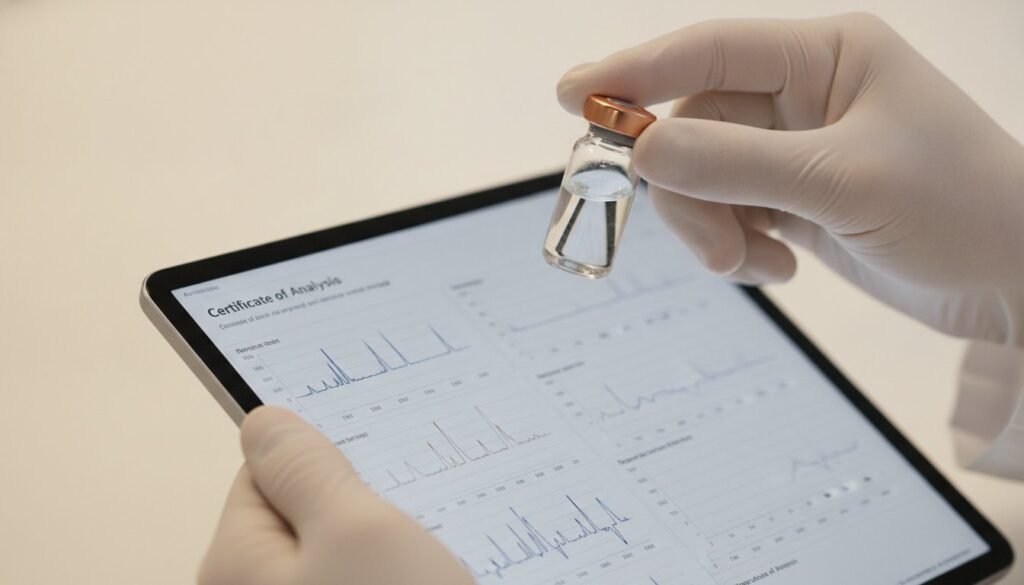
Purity on a certificate of analysis is a liability if the data lacks a verifiable chain of custody. Many researchers operate under the constant risk…
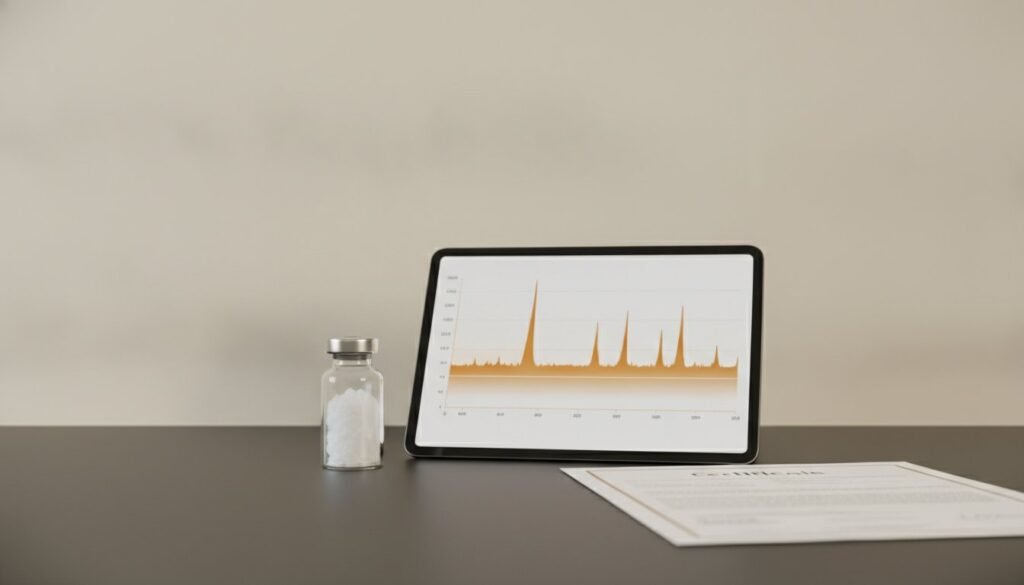
This guide provides technical protocols for verifying chemical integrity to ensure 99%+ purity. We’ll examine how to interpret HPLC and MS reports…

Precise analytical data depends on far more than a calibrated refrigerator. Even minor deviations in solvent selection or pH levels can trigger rapid…

Longitudinal data integrity depends entirely on the chemical consistency of your reagents. For researchers in Nevada, batch variance and thermal…

In the current regulatory environment, a label claiming “99% purity” is meaningless without the underlying HPLC data to back it up. You understand…

Independent analysis found that 30% of peptide samples from unregulated sources are mislabeled, improperly dosed, or contaminated. In a high-stakes…