Why Peptide Assays Fail Reproducibility Tests: Analytical Failure Modes (2026)
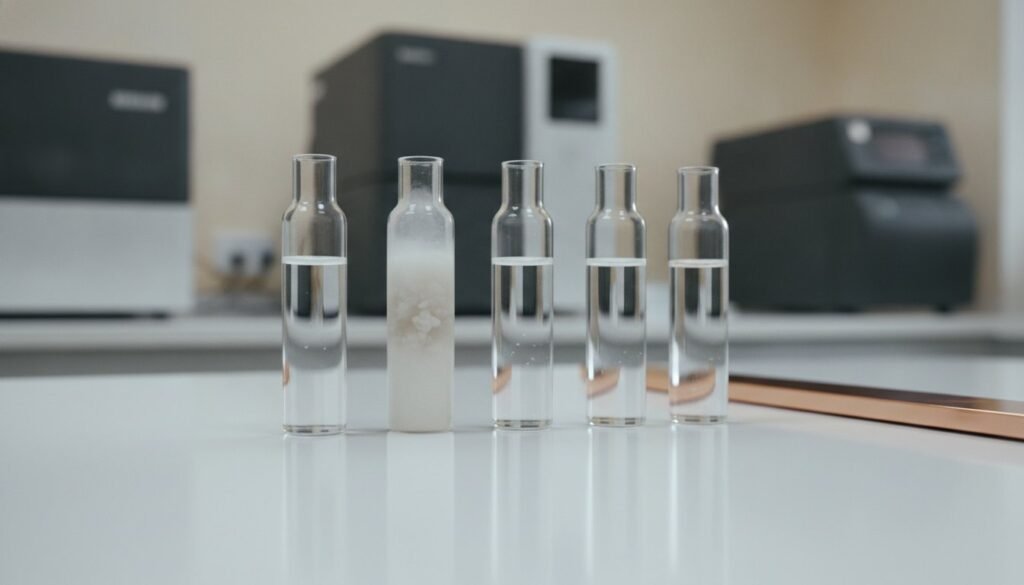
Irreproducible preclinical research costs the United States approximately $28 billion every year. This staggering loss often originates at the bench…

Irreproducible preclinical research costs the United States approximately $28 billion every year. This staggering loss often originates at the bench…

What if six months of laboratory data were invalidated by a single discrepancy on a third-party Certificate of Analysis? Precision is the only…
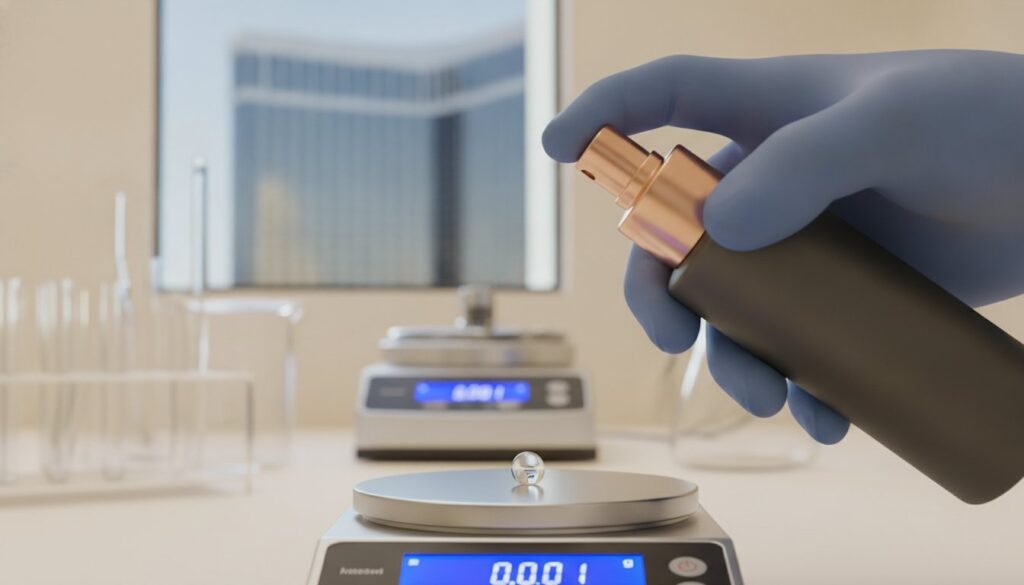
A visually perfect actuation does not guarantee a precise molecular dose. In rigorous laboratory settings, the assumption of mechanical reliability…

A 95% purity rating on a packing slip is no guarantee of assay success. When selecting peptides for assay development, researchers often mistake…

Can you truly trust a certificate of analysis from an overseas vendor when your research integrity is on the line? Inconsistent results often stem…
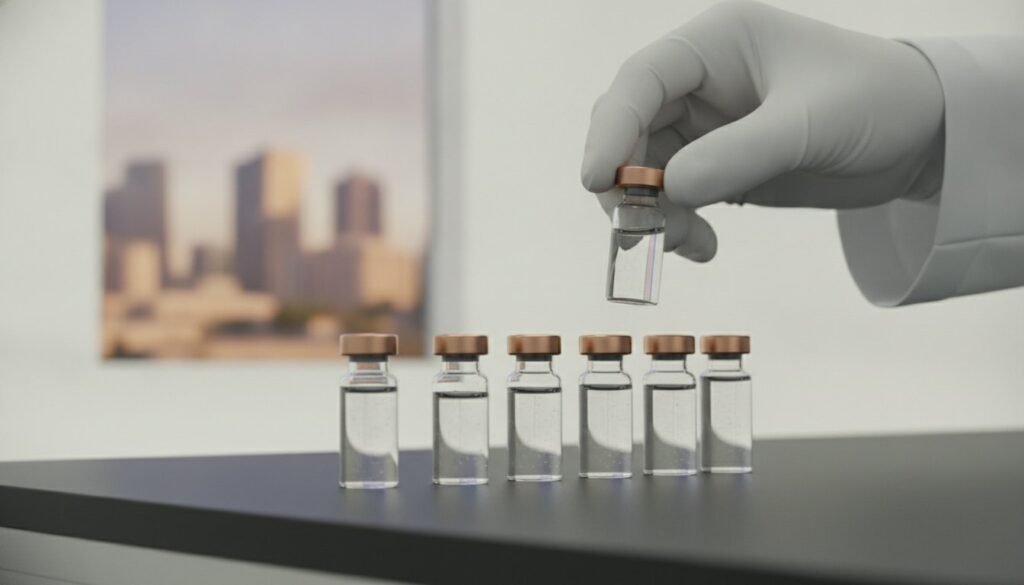
In 2026, the minimum purity standard for research-grade peptides has officially shifted to 99%. This benchmark reflects a critical need for…