Optimizing Signal-to-Noise in Peptide Experiments: A Researcher’s Protocol
The most advanced mass spectrometry software, including the latest MSFragger 4.4.1, cannot salvage data compromised by baseline contamination….

The most advanced mass spectrometry software, including the latest MSFragger 4.4.1, cannot salvage data compromised by baseline contamination….

A single compromised vial can invalidate months of empirical data and deplete significant laboratory resources. Analytical integrity begins at the…

Your study’s validity is not determined by the peptide sequence alone, but by the mechanical precision of the actuator used to deliver it. You know…

Regulatory non-compliance is no longer just a safety oversight. It’s a catastrophic financial liability. As of 2026, EPA fines for RCRA violations…
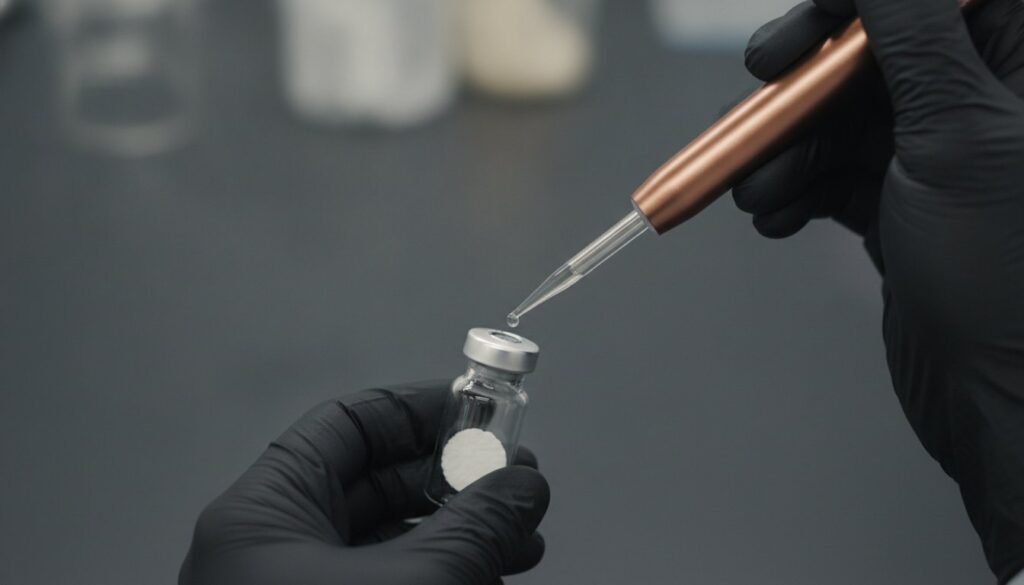
A single instance of improper handling can compromise months of research and thousands of dollars in high-purity reagents. For the professional…
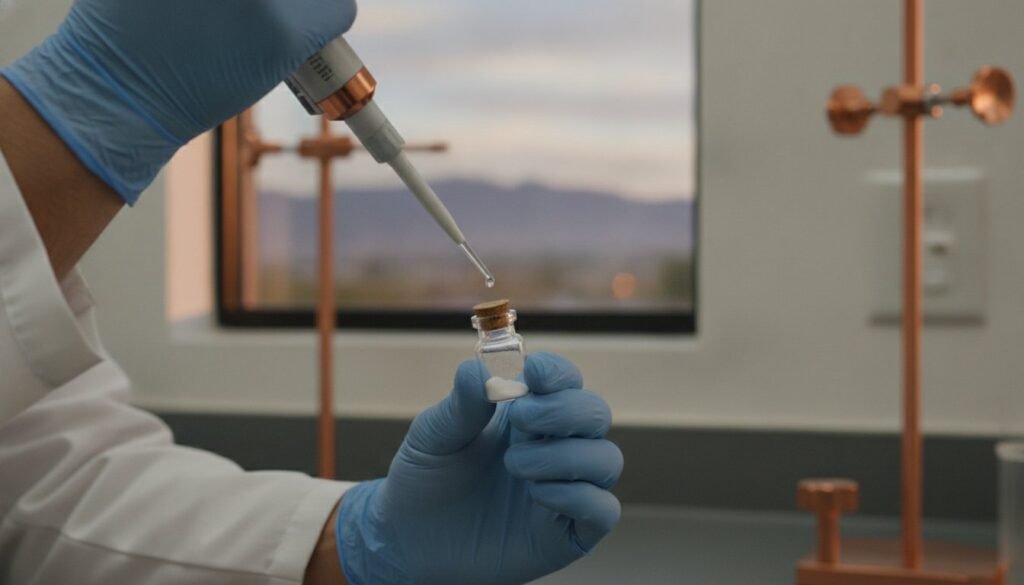
Experimental variance is rarely a failure of the hypothesis. It’s more often a failure of the reconstitution protocol. Insoluble aggregates,…

The assumption that a peptide will dissolve readily in sterile water is a frequent point of failure in high-precision research. A failed…
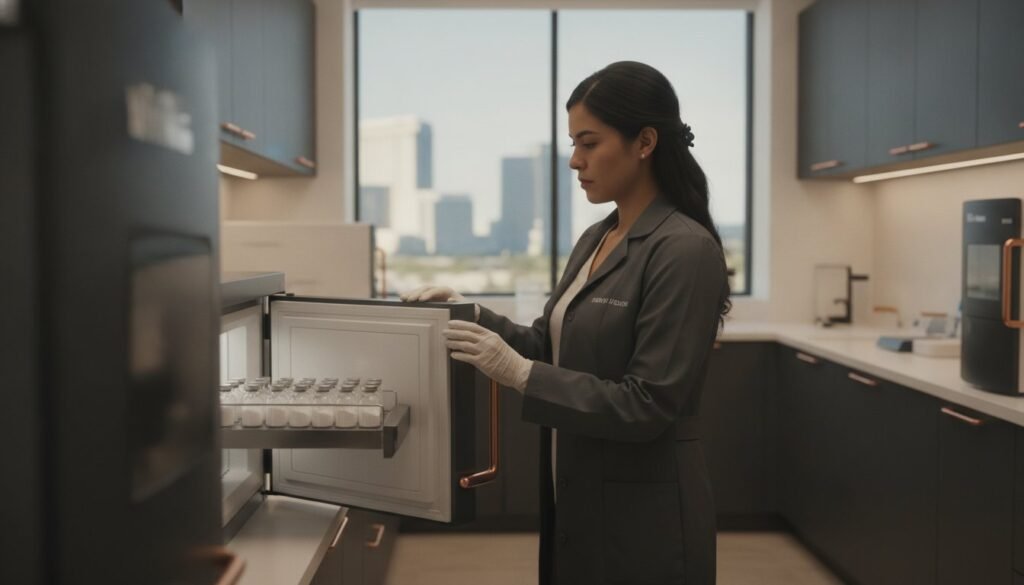
A single degree of thermal fluctuation or a trace of moisture can compromise months of laboratory research. Most investigators understand that…

The global peptide synthesis market is valued at approximately $1.9 billion in 2026, yet a substantial percentage of that investment vanishes through…