Lab Safety Guidelines for Peptide Research
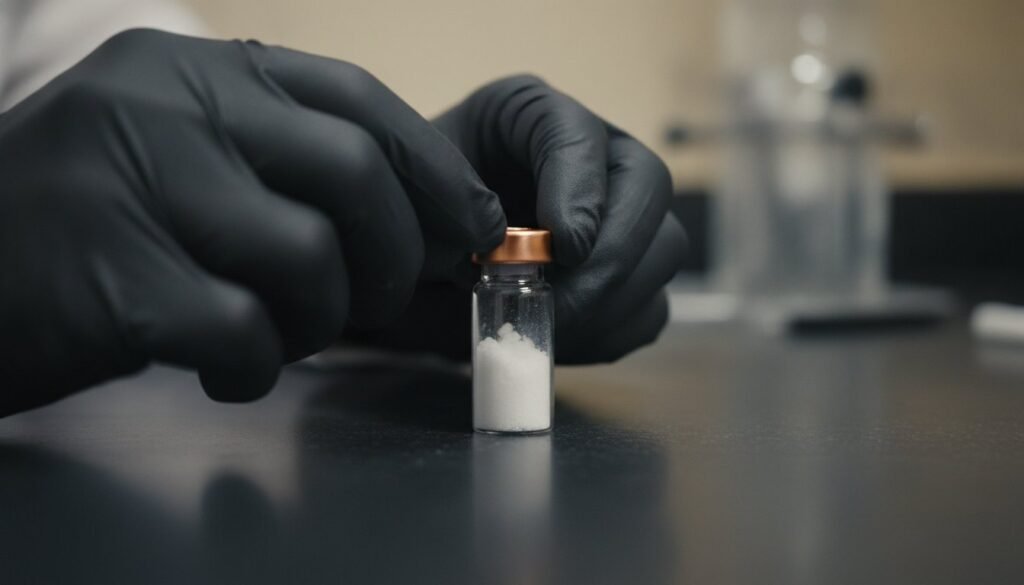
Scientific integrity isn’t a byproduct of successful results. It’s the direct output of rigid containment and analytical verification. Maintaining a…

Scientific integrity isn’t a byproduct of successful results. It’s the direct output of rigid containment and analytical verification. Maintaining a…
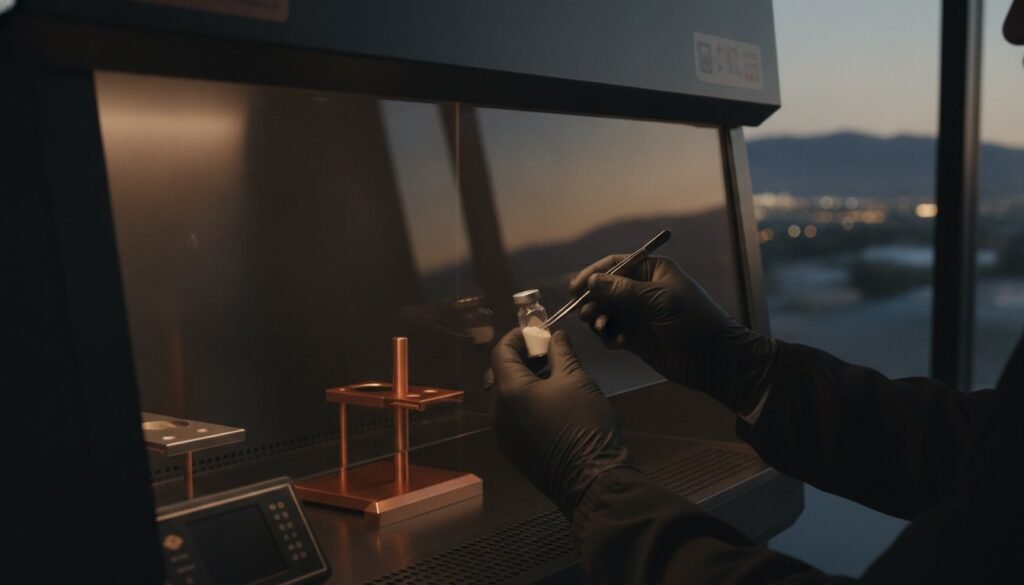
A single degree of thermal deviation during a Nevada summer can invalidate months of high-potency research before a vial even reaches the bench….

By November 20, 2026, laboratories must transition to GHS Revision 7 standards to maintain compliance. This mandate necessitates a rigorous update to…
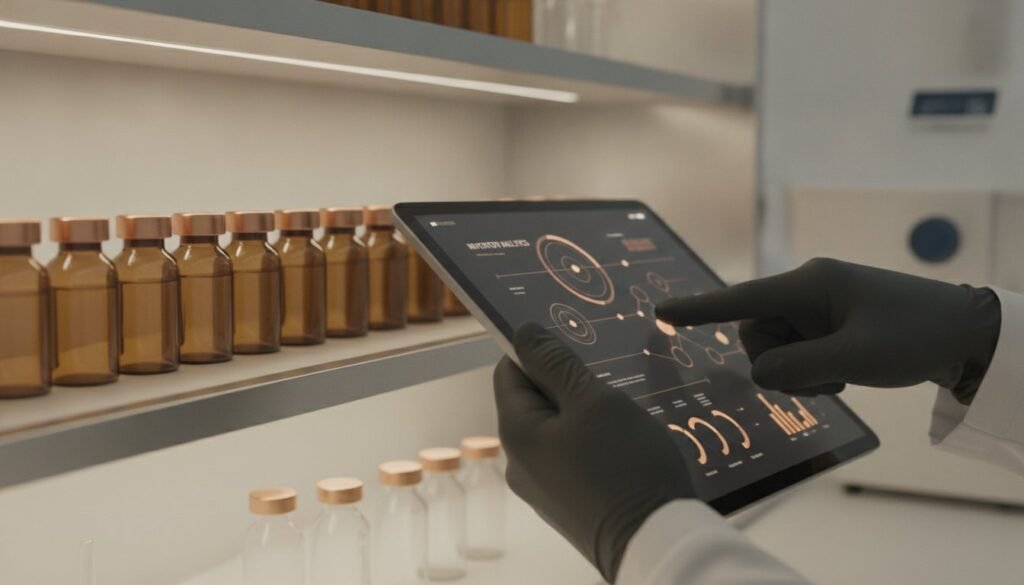
A disorganized chemical inventory is more than a logistical nuisance. It’s a direct threat to analytical integrity. When high-purity reagents are…

A single milligram of misplaced lyophilized powder can compromise an entire month of analytical data and jeopardize respiratory safety. In a…

Regulatory non-compliance is no longer just a safety oversight. It’s a catastrophic financial liability. As of 2026, EPA fines for RCRA violations…

A single milligram of a bioactive peptide powder can compromise an entire analytical run or trigger an unintended physiological response if inhaled….

Independent analysis shows that approximately 30% of peptide samples from grey-market sources are mislabeled, improperly dosed, or contaminated. For…
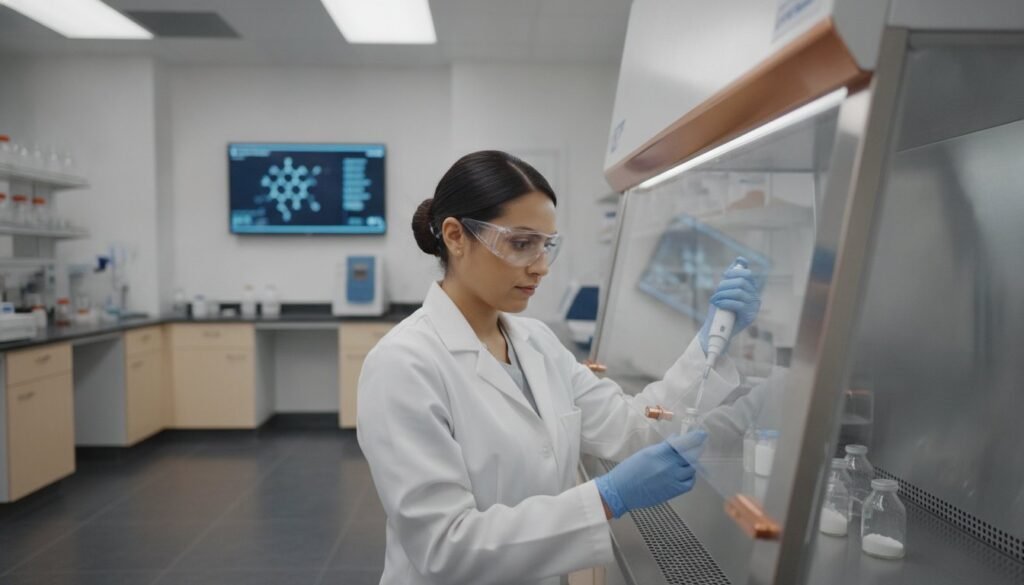
Independent testing identifies that 30% of grey-market peptide samples are mislabeled, improperly dosed, or contaminated. In a controlled laboratory…