Advanced Peptide Stability Testing Protocols: Analytical Standards for 2026

The assumption that lyophilized storage guarantees long-term purity is a liability in 2026. You understand the frustration of seeing a high-purity…

The assumption that lyophilized storage guarantees long-term purity is a liability in 2026. You understand the frustration of seeing a high-purity…

A perfect protocol cannot compensate for sub-standard reagents or unverified purity. As the global peptide mapping market reaches 834.5 million…

The 2026 closure of industry giants like Peptide Sciences proved that even established supply chains are fragile. For modern researchers, learning…

A Certificate of Analysis is not a guarantee of quality. It’s a document that requires its own rigorous audit. For many researchers, the procurement…

A single batch of impure peptides can invalidate years of rigorous methodology and thousands in grant funding. You rely on Certificates of Analysis…

Loyalty to a failing peptide supplier is a technical liability, not a professional virtue. You’ve likely tolerated batch-to-batch inconsistency or…
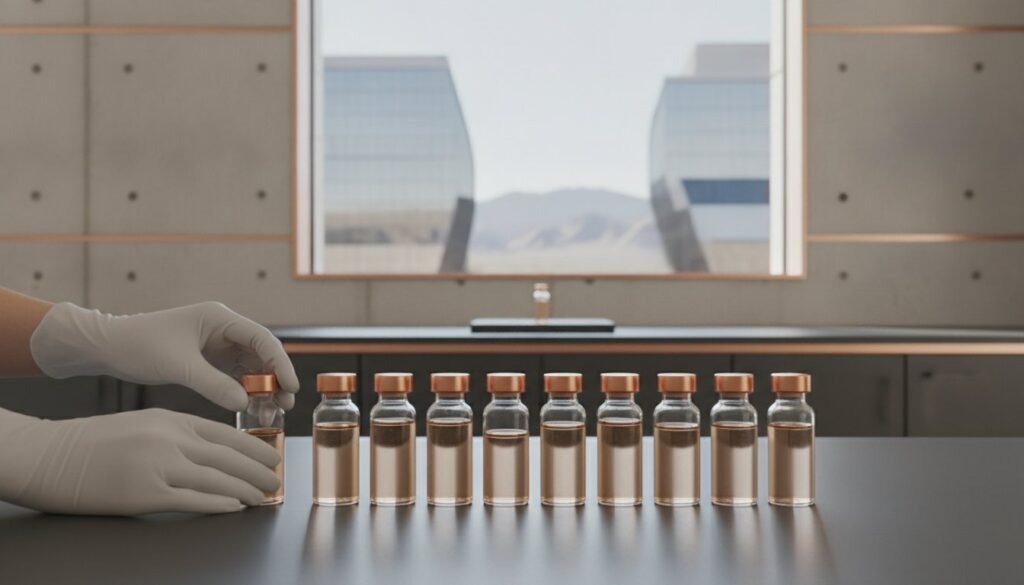
A single backorder is not a logistical delay; it’s a direct threat to the integrity of your longitudinal data. Researchers often tolerate opaque…
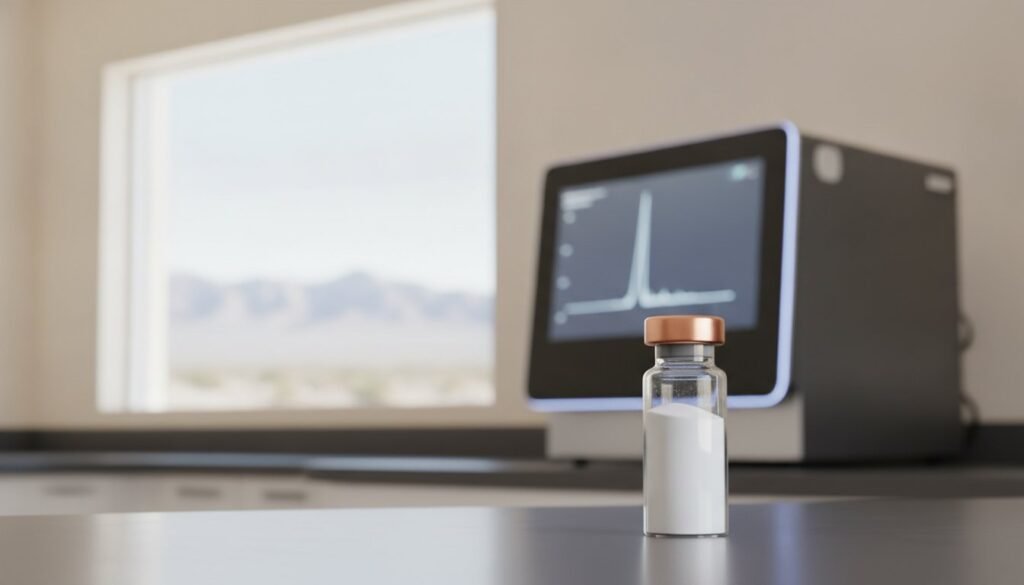
A 99% purity rating on a certificate of analysis is often a mask for analytical insufficiency. In metabolic research, one unidentified peak on a…
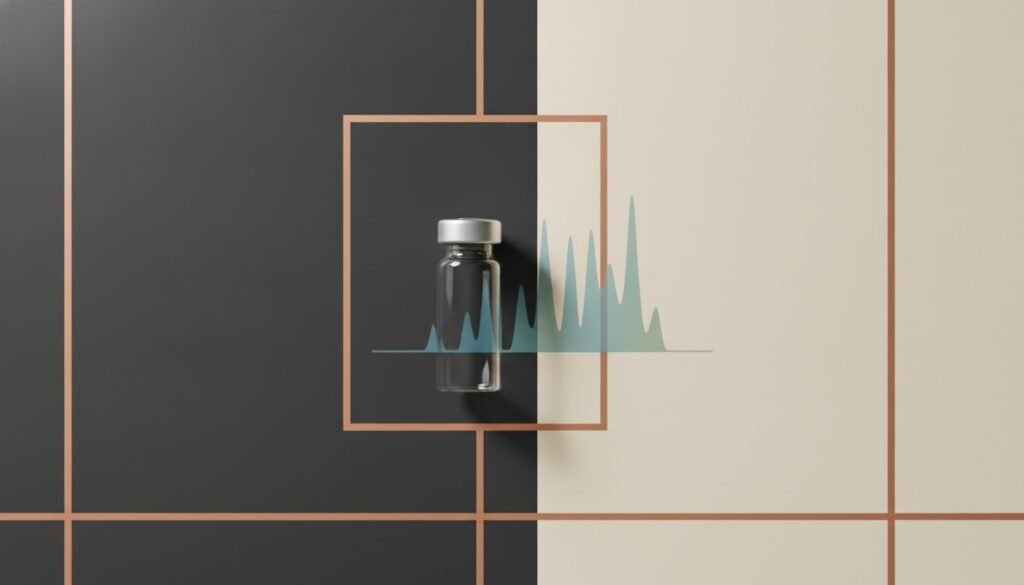
Independent analysis reveals that approximately 30% of peptide samples from grey-market sources suffer from mislabeling, improper dosing, or…

Close to 30% of analyzed peptide vials in 2026 were found to be mislabeled, contaminated, or incorrectly quantified during independent testing. For a…