Preventing Peptide Adsorption to Labware: A Technical Protocol for Researchers

Adsorptive losses for specific peptides can exceed 40% within 24 hours when using standard borosilicate glass. For researchers handling high-value…

Adsorptive losses for specific peptides can exceed 40% within 24 hours when using standard borosilicate glass. For researchers handling high-value…
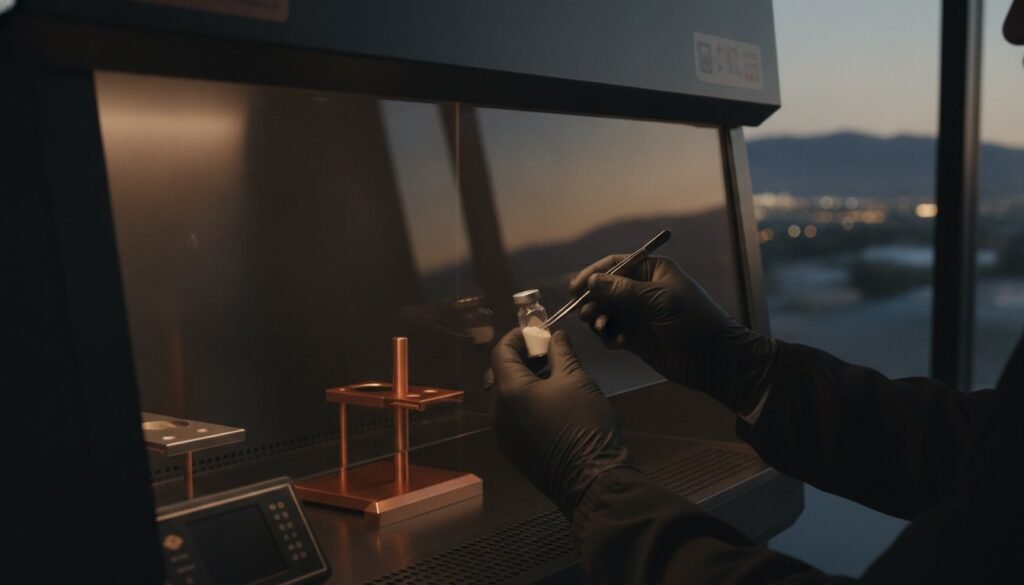
A single degree of thermal deviation during a Nevada summer can invalidate months of high-potency research before a vial even reaches the bench….

A single compromised vial can invalidate months of empirical data and deplete significant laboratory resources. Analytical integrity begins at the…

A single milligram of a bioactive peptide powder can compromise an entire analytical run or trigger an unintended physiological response if inhaled….
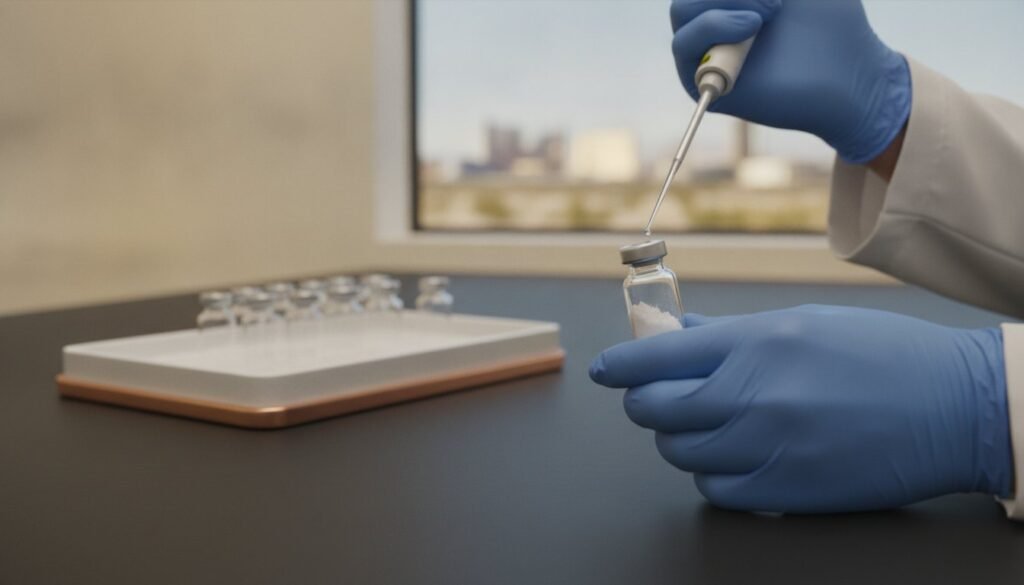
Independent analysis reveals that approximately 30% of peptide samples from grey-market sources are mislabeled, improperly dosed, or contaminated….
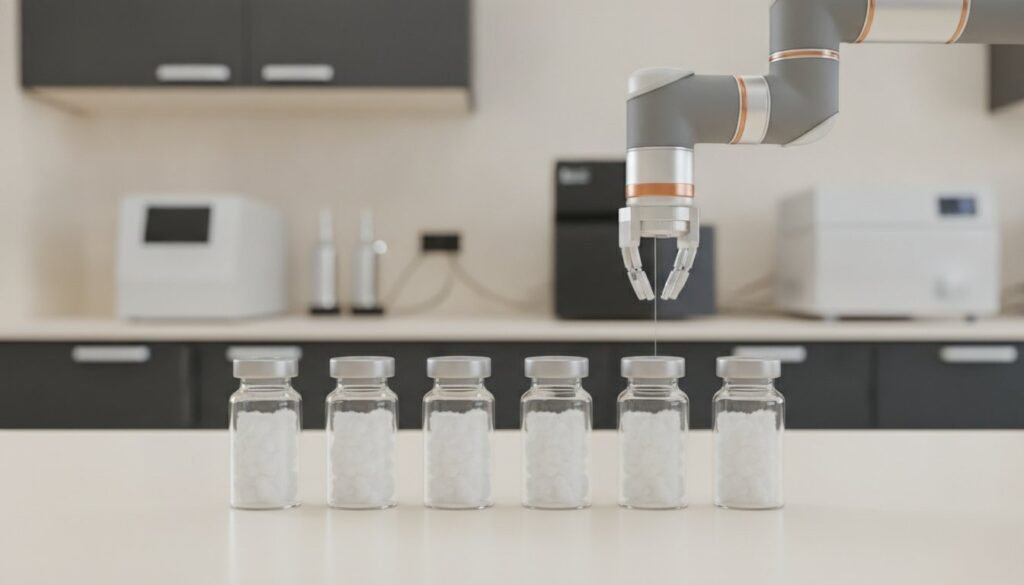
Why does a 99% purity certificate often fail to translate into reproducible laboratory data? This discrepancy reveals a critical gap between vendor…
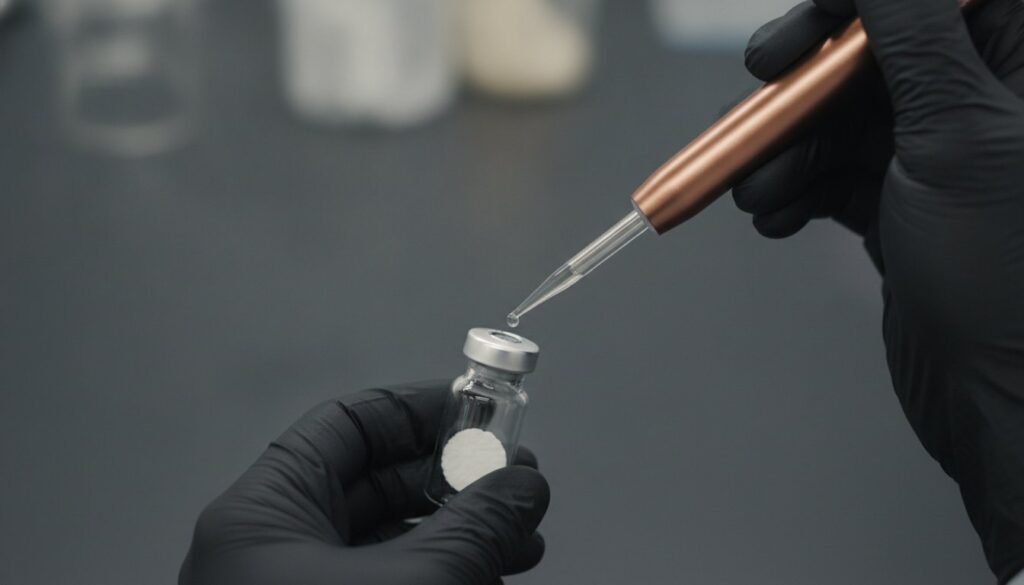
A single instance of improper handling can compromise months of research and thousands of dollars in high-purity reagents. For the professional…
A single protocol error during the management of lyophilized research peptides can compromise an entire dataset. Precision is the only acceptable…
A single pipetting error or a minor temperature fluctuation during storage can invalidate months of rigorous laboratory work. Precision in the lab is…